Before the olive harvest in Croatia: Pelješac, October 2026
On 12 October 2026 we walked along an old wine road from Žuljana, where we photographed Plavac Mali grapes that October, towards Putniković. According to the Dubrovnik-Neretva County tourist board, vines have adorned Pelješac since ancient times, and wine production has a long tradition there. The board mentions vineyards on the peninsula as far as Putniković. In the direction we walked, a gravel road to Putniković turns off at the village of Dubrava. The peninsula’s tourist boards mark this road on their 2022 trail map as the old Napoleon Road. According to the history of the Municipality of Janjina, building the road across Pelješac began with the arrival of Napoleon’s troops and General Marmont, and according to the Ston tourist board it continued under Austrian rule. Roman villa sites are documented in many places on Pelješac, among them Žuljana, Ston (Bare) and Prapratno Bay. This is recorded in a 2002 survey by Vlasta Begović and Ivančica Schrunk in the journal Prilozi Instituta za arheologiju.
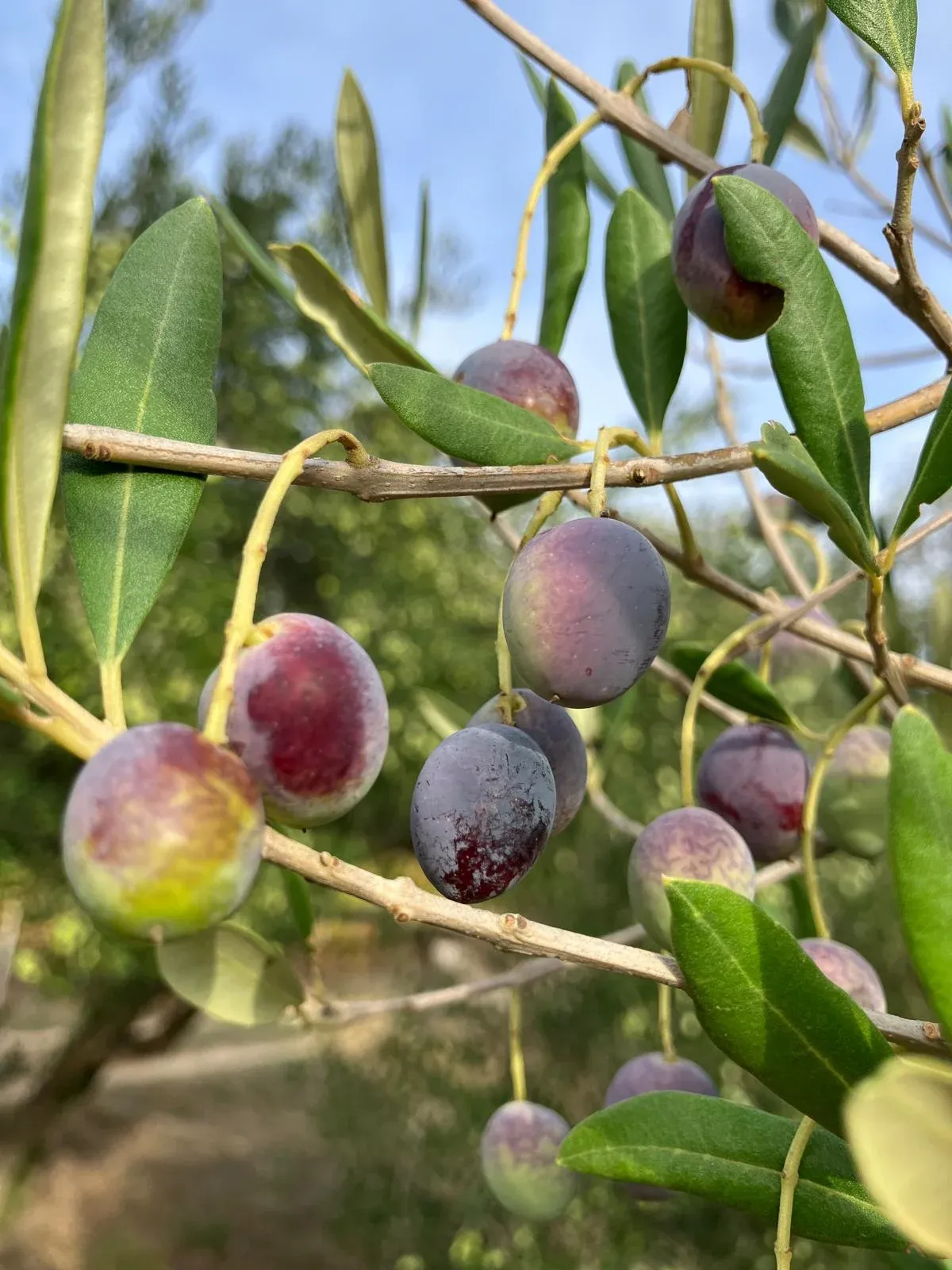
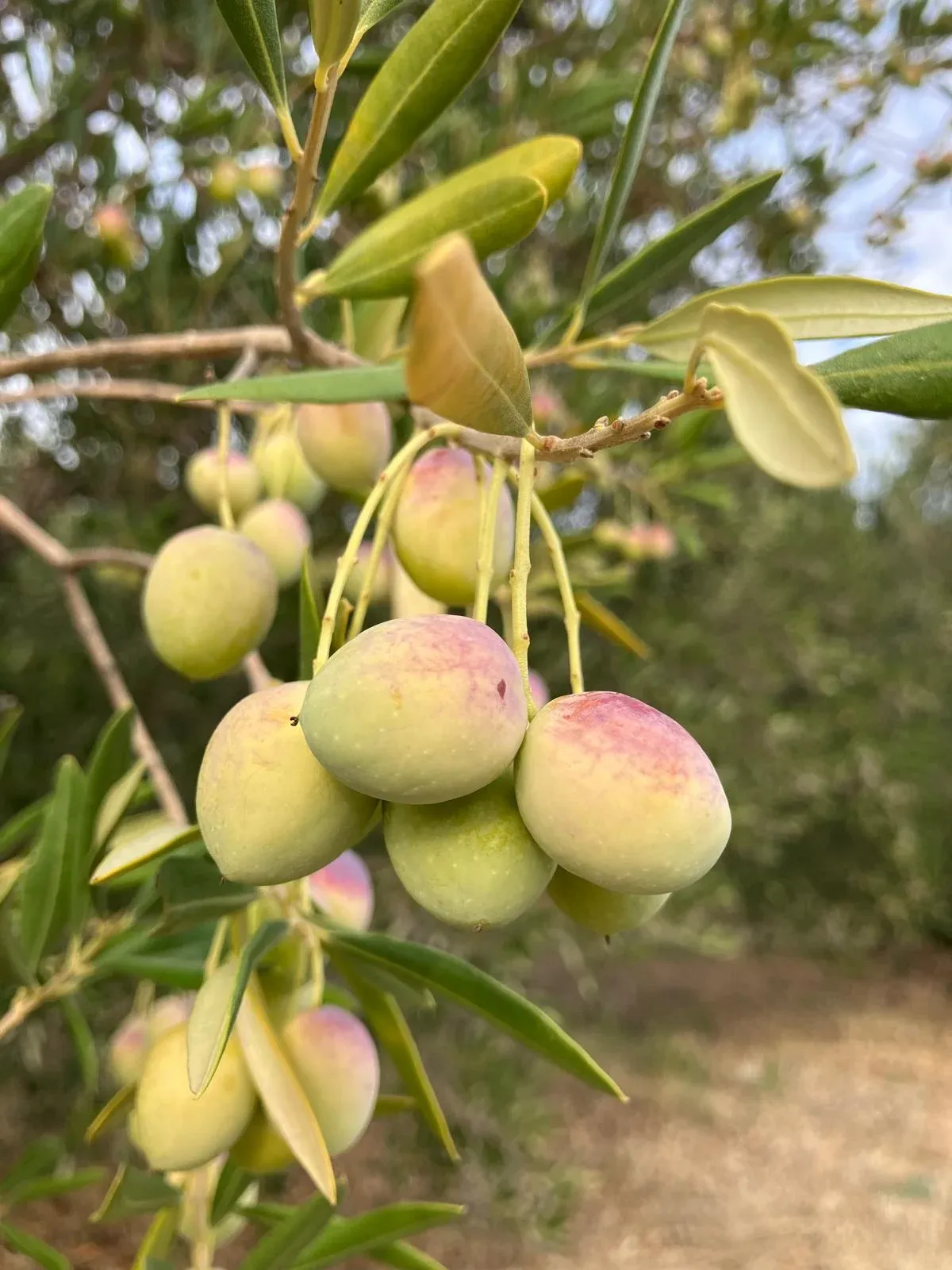
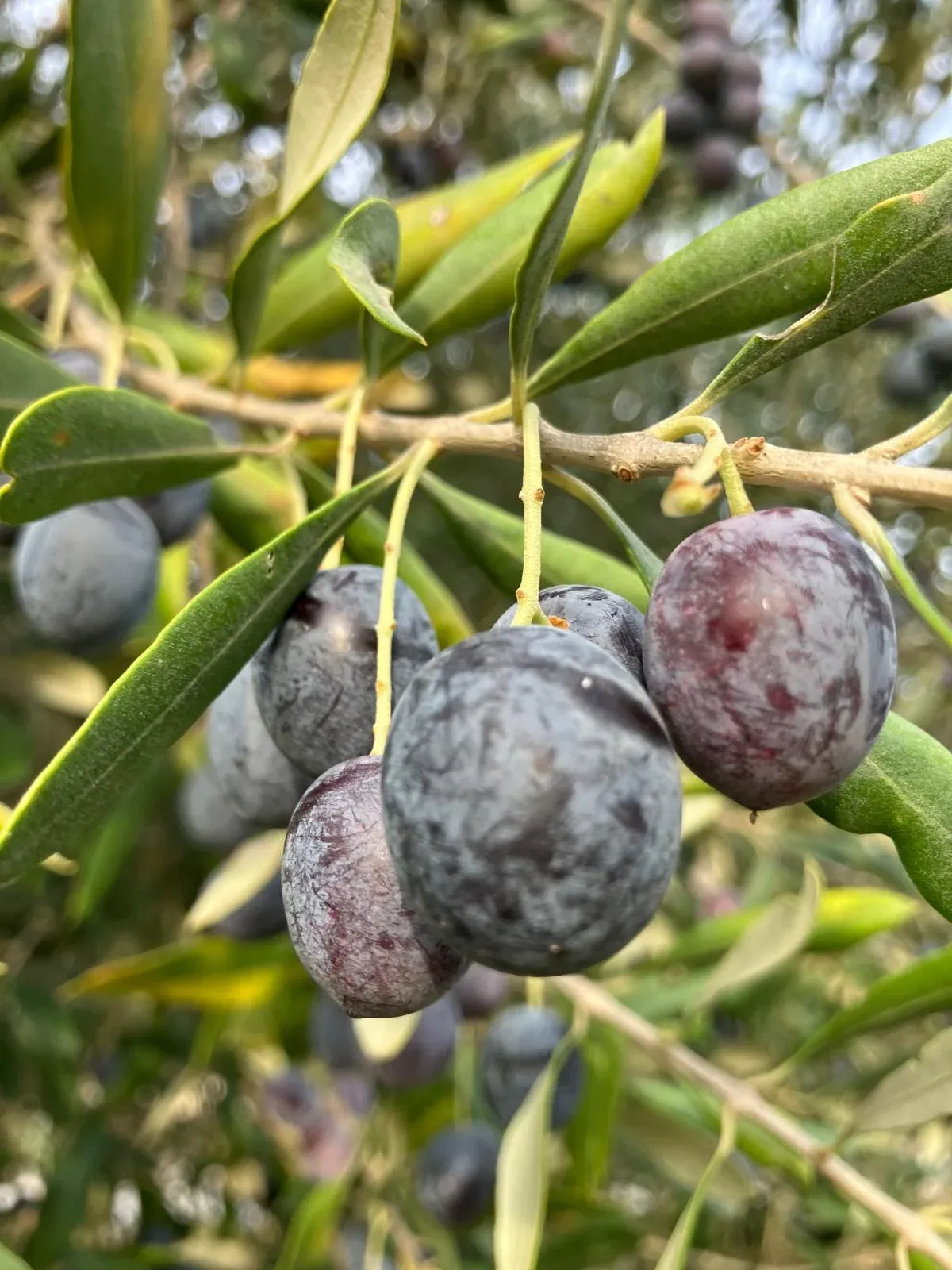
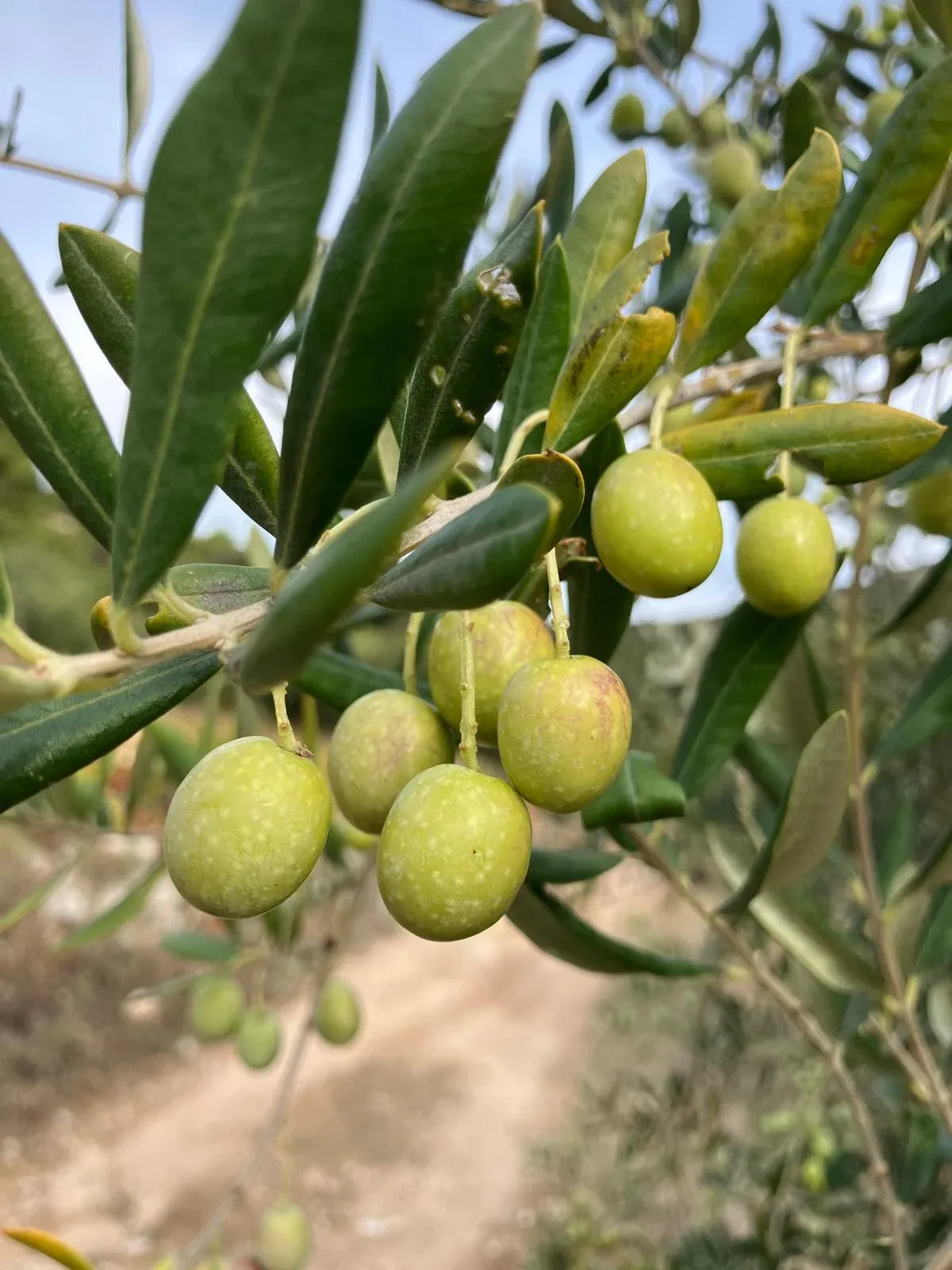
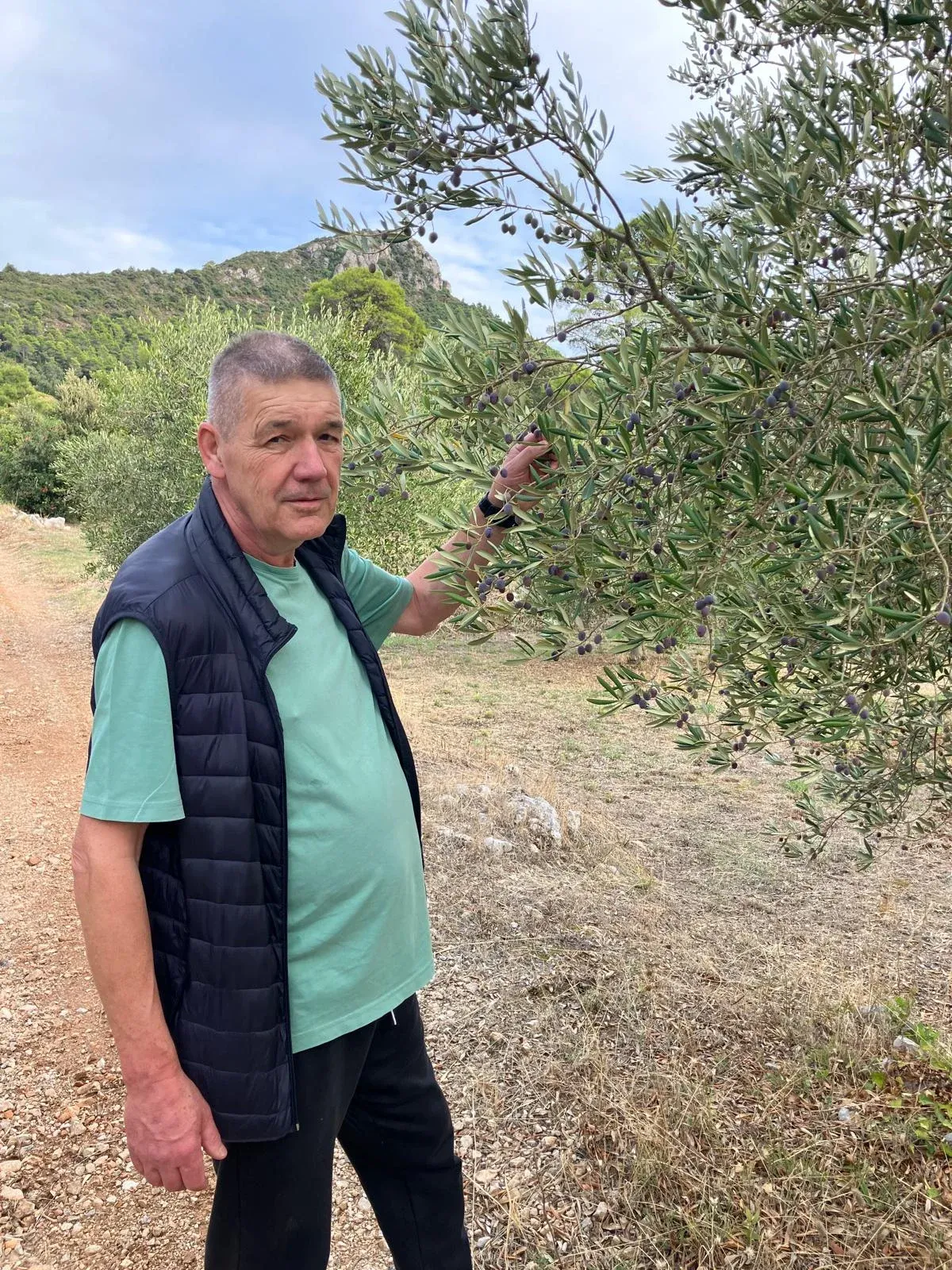
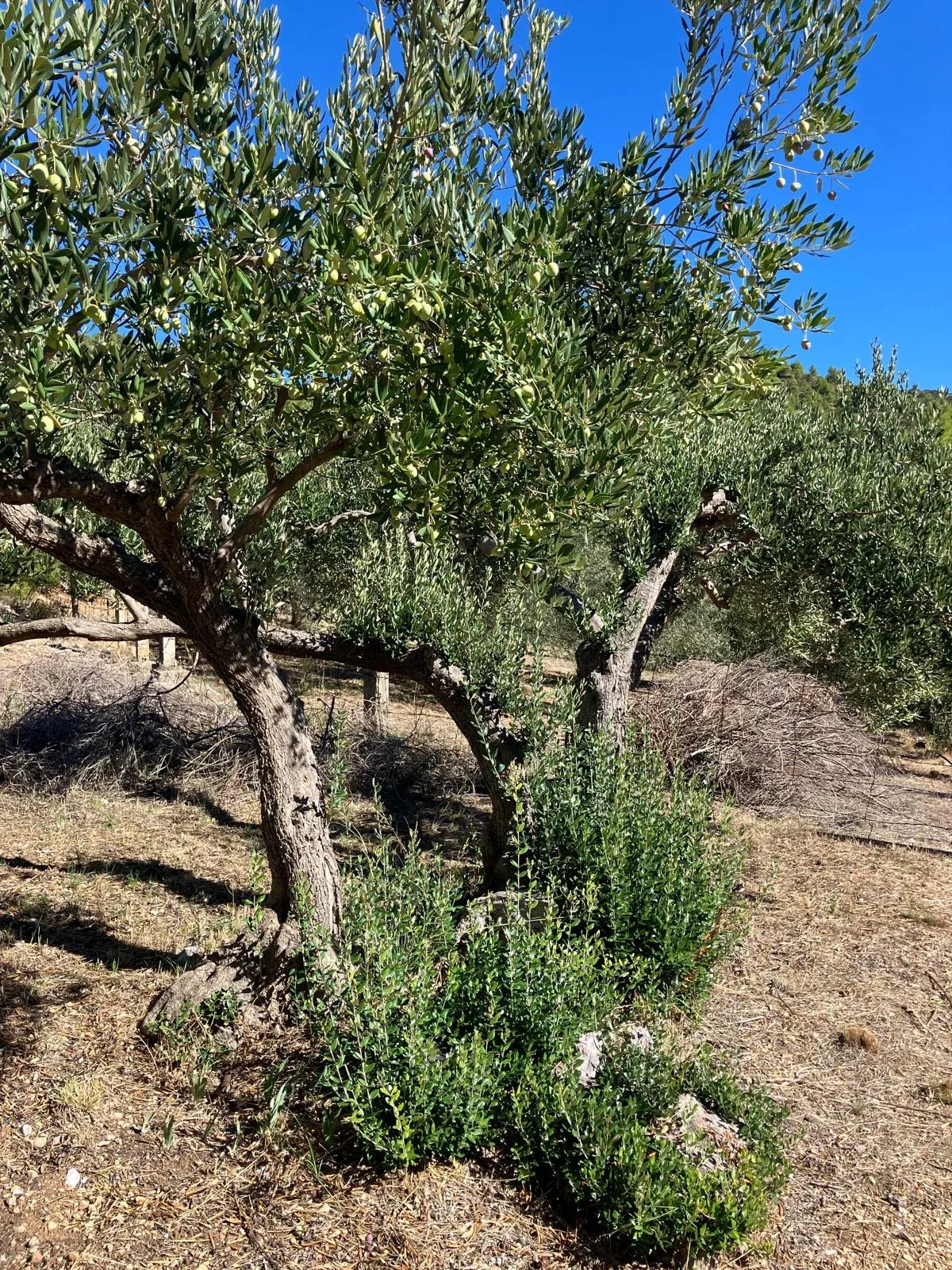
Olive trees grew along the way, and their branches hung with olives in many colours: green, green with a pink blush, purple and almost black. On one branch the fruit was only starting to colour; on another it was already dark. You could see at a glance that the olive harvest was near.
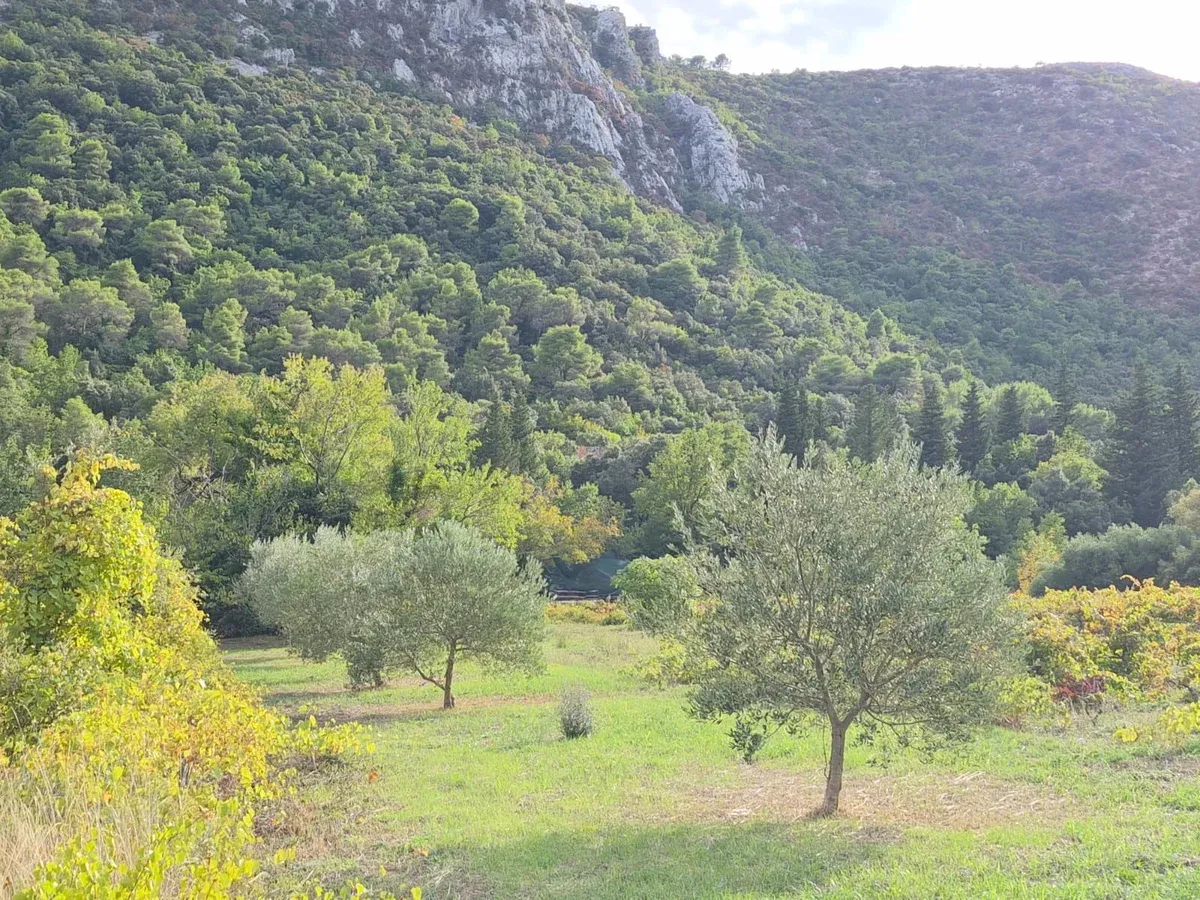
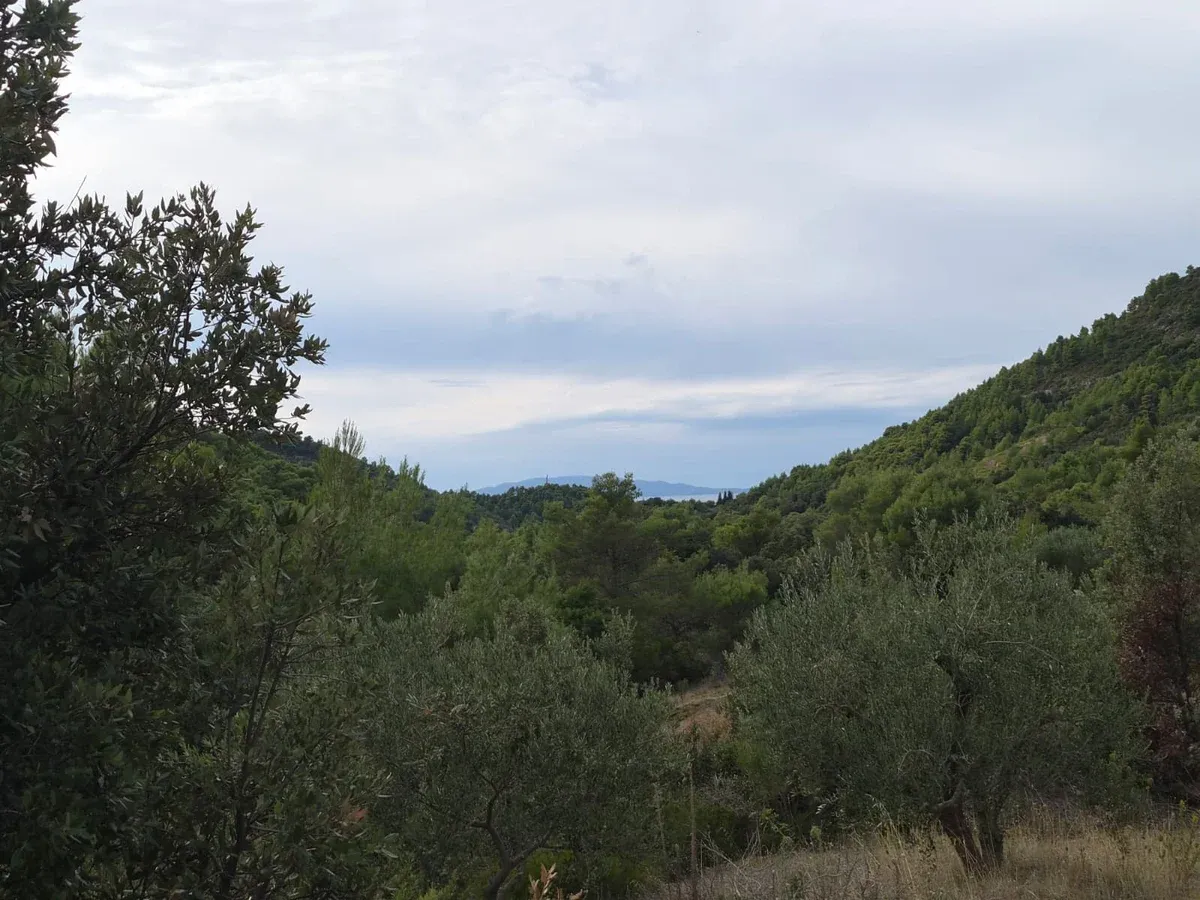
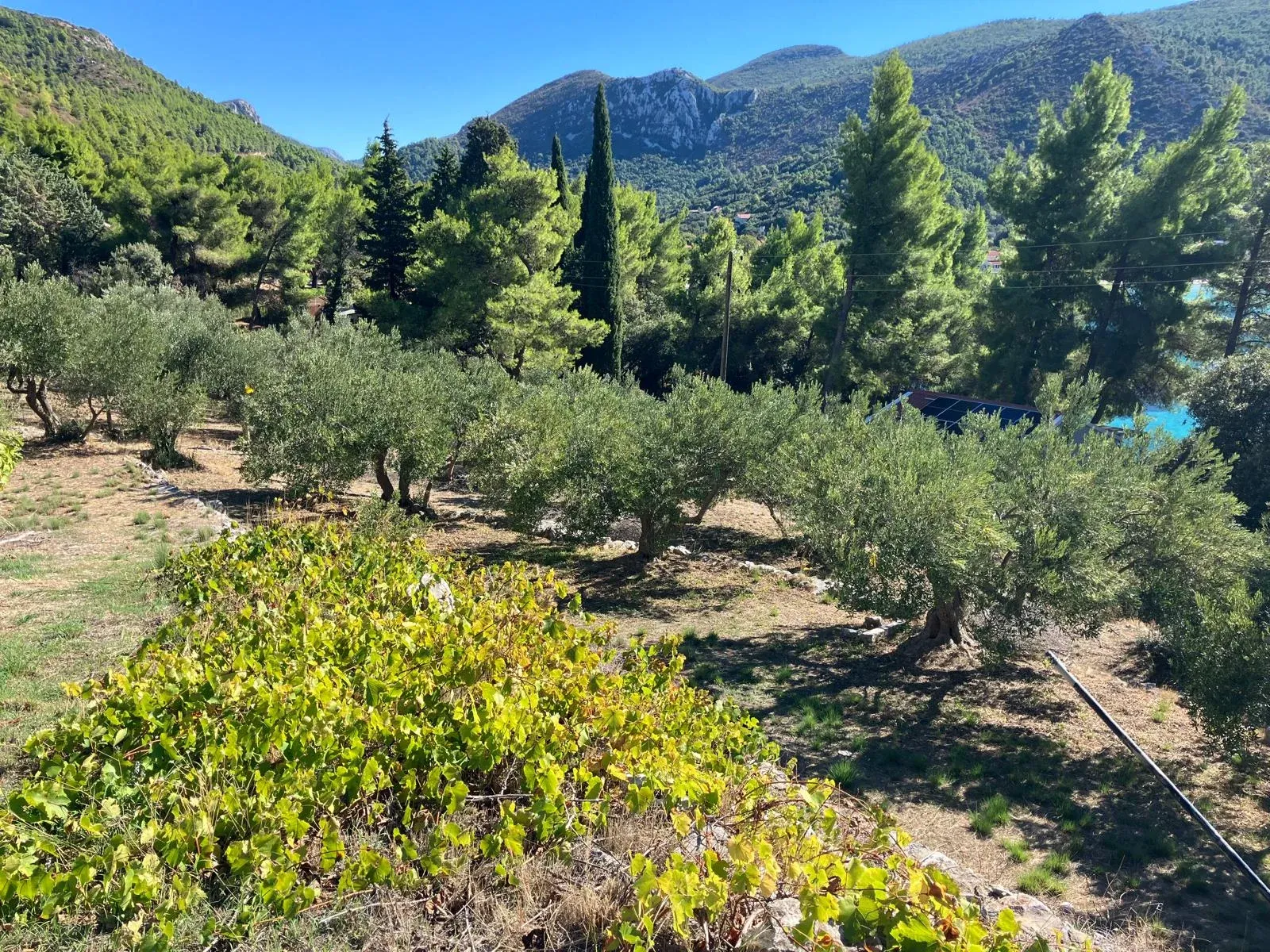
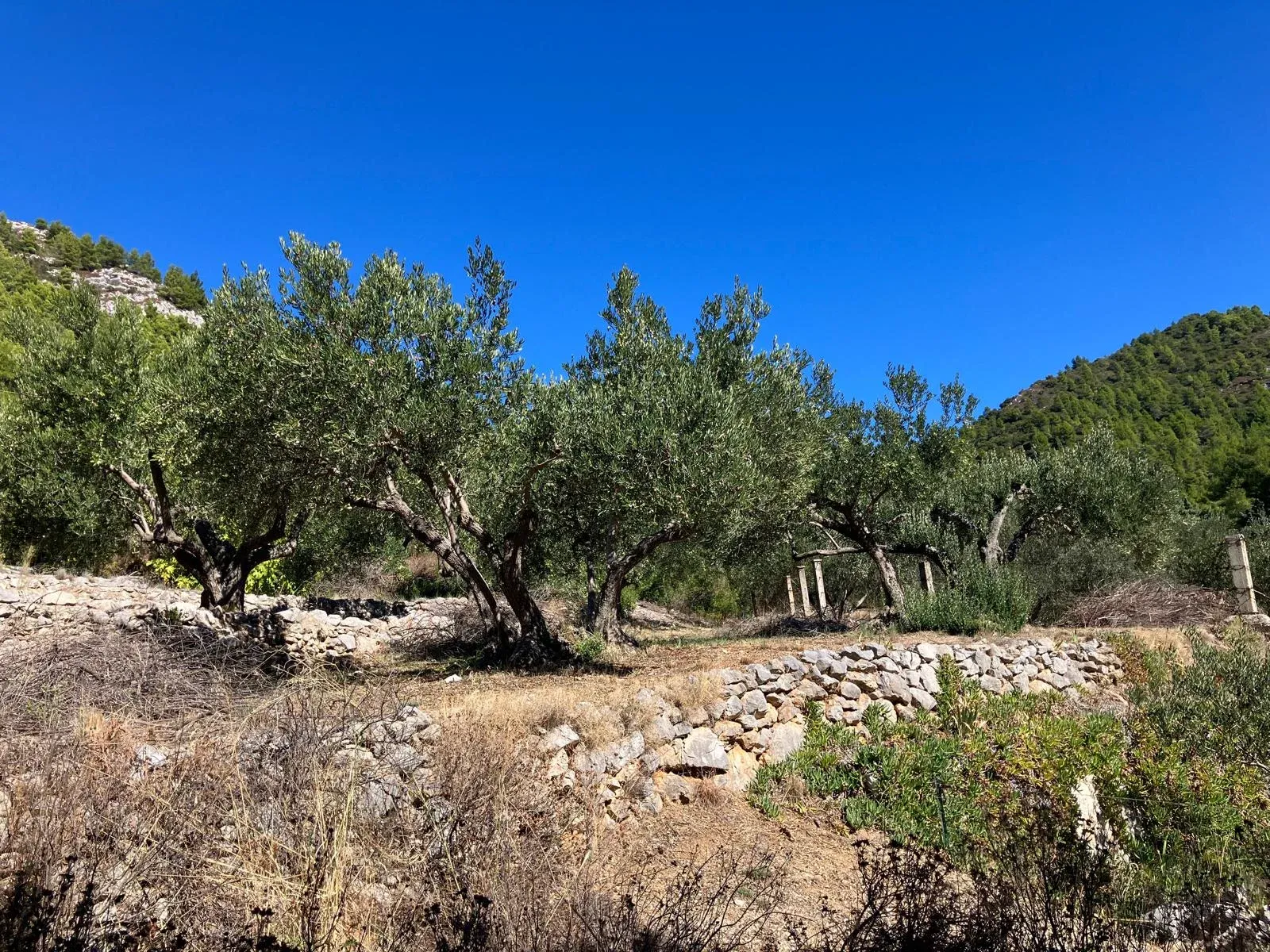
Here the olive trees stand in meadows among shrubs that autumn had turned yellow, with wooded slopes and a rocky ridge rising above them. From one spot we could look down into a wooded valley and, beyond it, to a strip of sea under the clouds. By a tree with dark fruit, one of us stopped and took a branch in his hand. On the same day we walked through the village of Gornja Vrućica in the rain.
On 15 October 2026 the first olives were being harvested in Žuljana, and a crew from Zagreb had come to help the locals.
A review in the Journal of Food Science and Technology states that, depending on ripeness, the colour of olives can change from intense green to black. Ripeness is commonly rated using an index from 0 to 7 based on the colour of the skin and the flesh, and the official method takes a sample of 100 olives. The fruit gains water and oil until the oil reaches its maximum in riper olives.
The Croatian Encyclopedia lists olive growing alongside viticulture on the peninsula. A brochure of the Ston municipal tourist board about Žuljana says that the people there make their living mainly from viticulture, olive growing and fishing. In 2005 Pavle Bakarić described the native olive varieties of the Pelješac peninsula in the journal Pomologia Croatica, among them Paštrica, Sitnica and Česminka.
The full story of these producers is in the book.