Area 1 / 5
Postup–Orebić
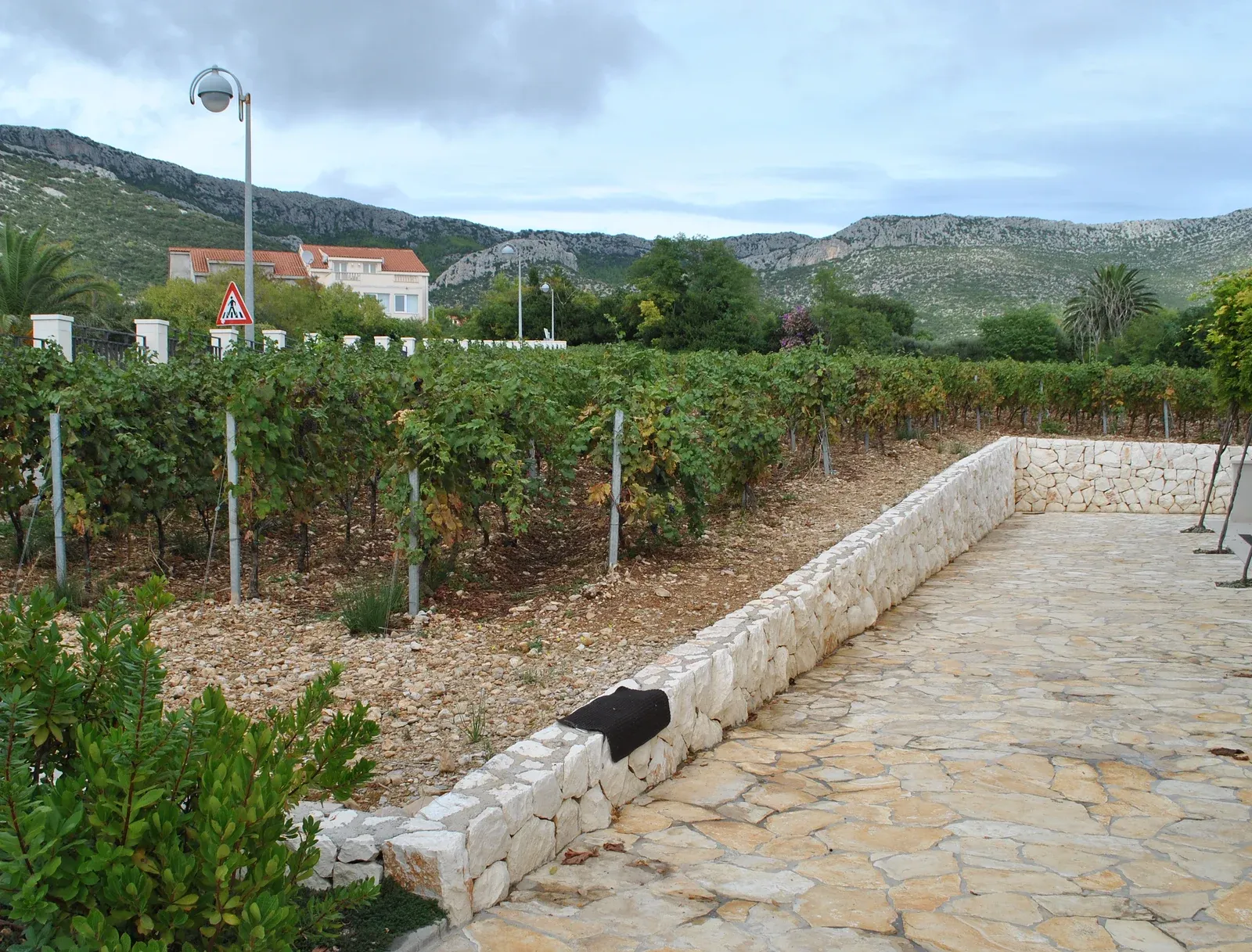
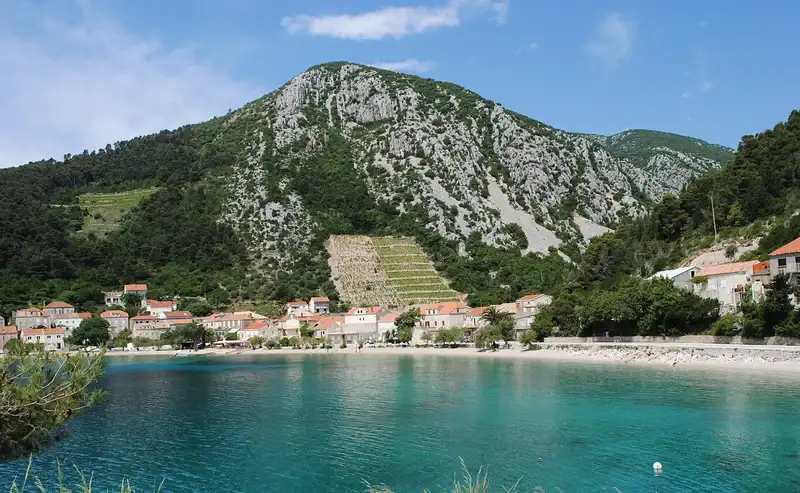
2 wineriesCoastal slopes below Mount Sveti Ilija; Postup begins at the entrance to Orebić.
Places: Orebić
Wineries to discover · 2Profiles with an address, GPS coordinates and tasting tips are in the book.
Putovnica · Passport · Reisepass
your key to the peninsula’s 41 wineries
Jan Svoboda and Jaroslav Vrba visited wineries in five areas of Pelješac and tasted their wines. In the book you will find them with an address, GPS coordinates and notes from the visit. Plus Ston salt and recipes from southern Dalmatia.
Printed book in Czech, English, German and Croatian · shipping to Czechia and other EU countries
“Wine is Earth’s answer to the Sun.”
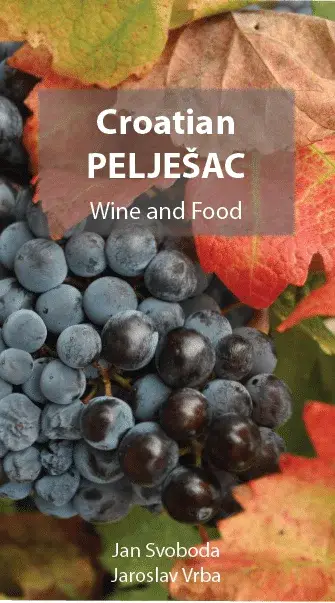
Wines of Pelješac
From straw-coloured Pošip to dark ruby-red Dingač. For every winery the book tells you what it grows and which wine to taste.
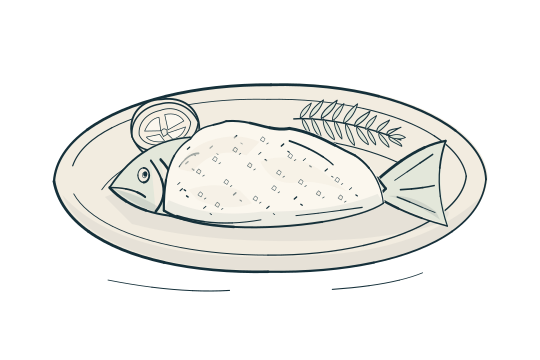
A white variety; the authors recommend it with sea bass in a salt crust: Pošip Mili from the Miho Rozić winery in Ston.
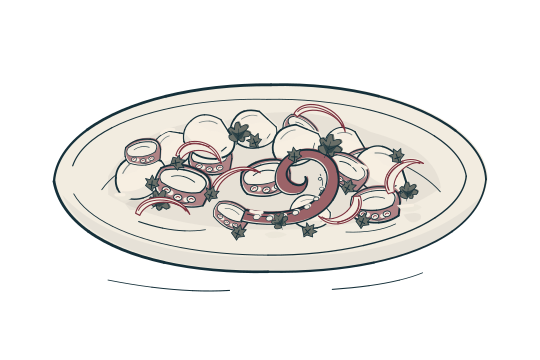
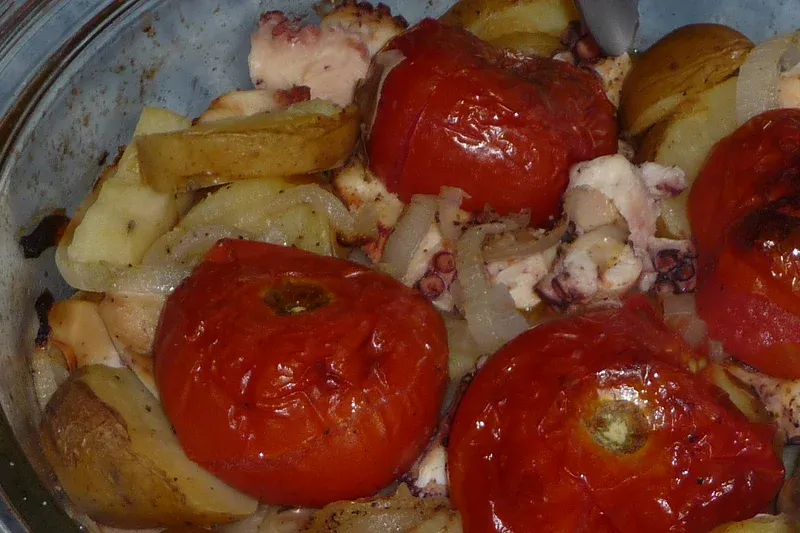
A rosé made from Plavac Mali, for example the one from the Bezek winery in Janjina. The authors recommend it with octopus salad.
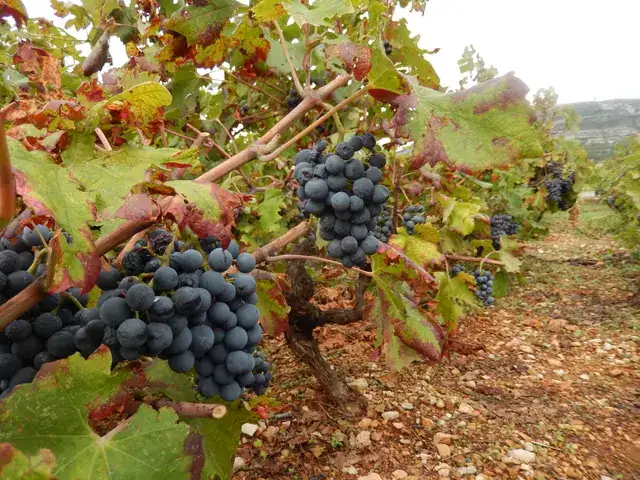
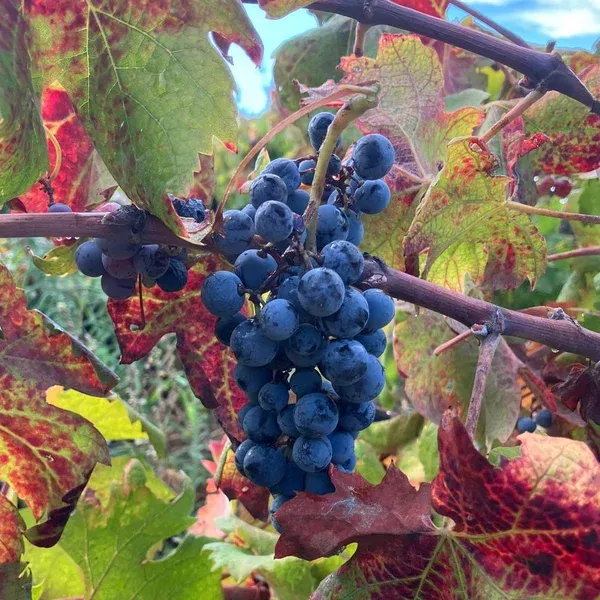
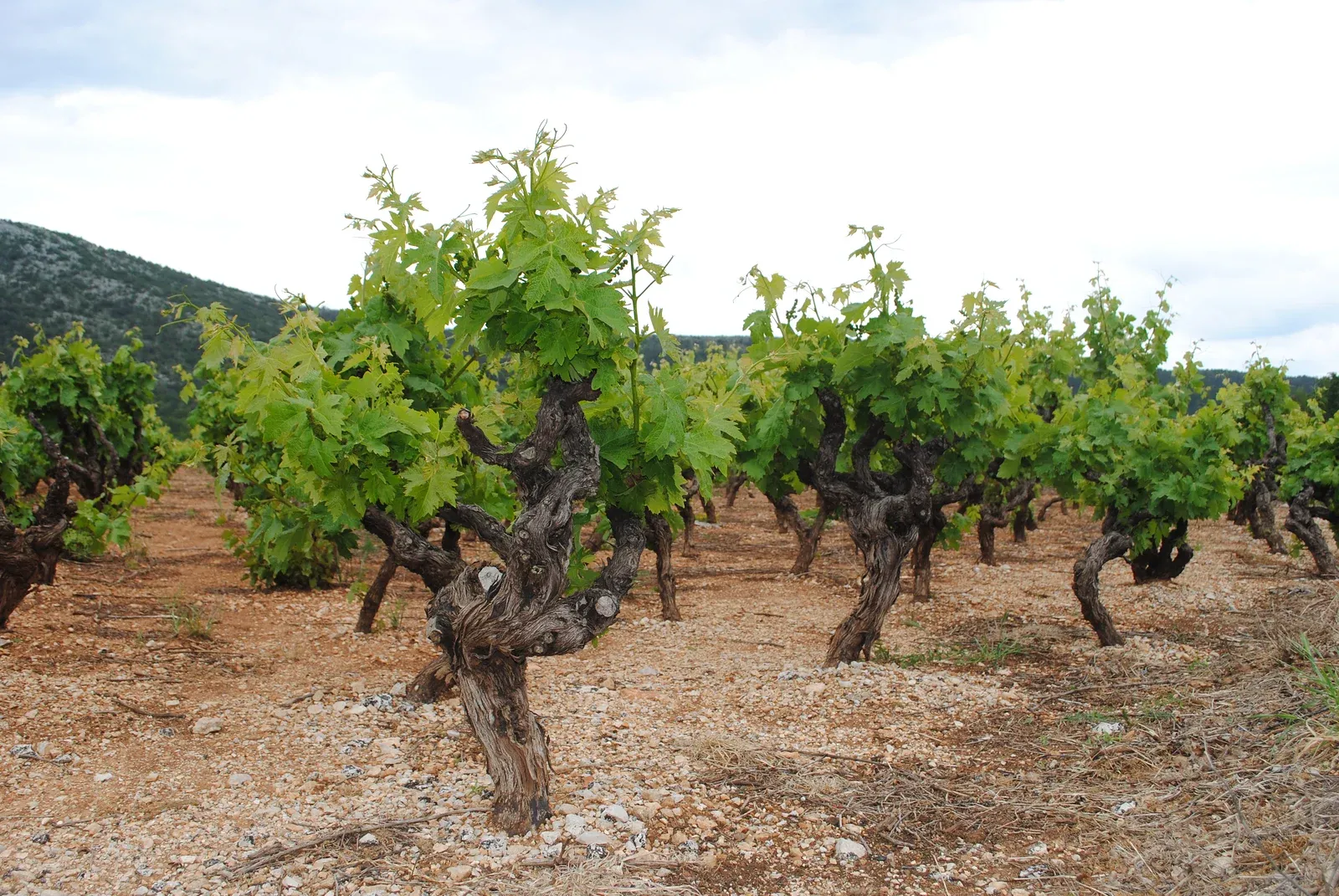
A native red variety, planted in almost 90% of the vineyards on Pelješac. A close relative of Crljenak kaštelanski (Zinfandel): DNA points to a parent-offspring link, but the exact pedigree is not settled.
A vineyard site near Potomje, on steep south-west-facing slopes. First protected wine (1961).
Passport pages
The book divides the peninsula into five wine areas, from Orebić to Ston. The authors visited every winery in them and wrote down what it grows, how it makes its wine, where to taste it and how to find it.
Coastal slopes below Mount Sveti Ilija; Postup begins at the entrance to Orebić.
Places: Orebić
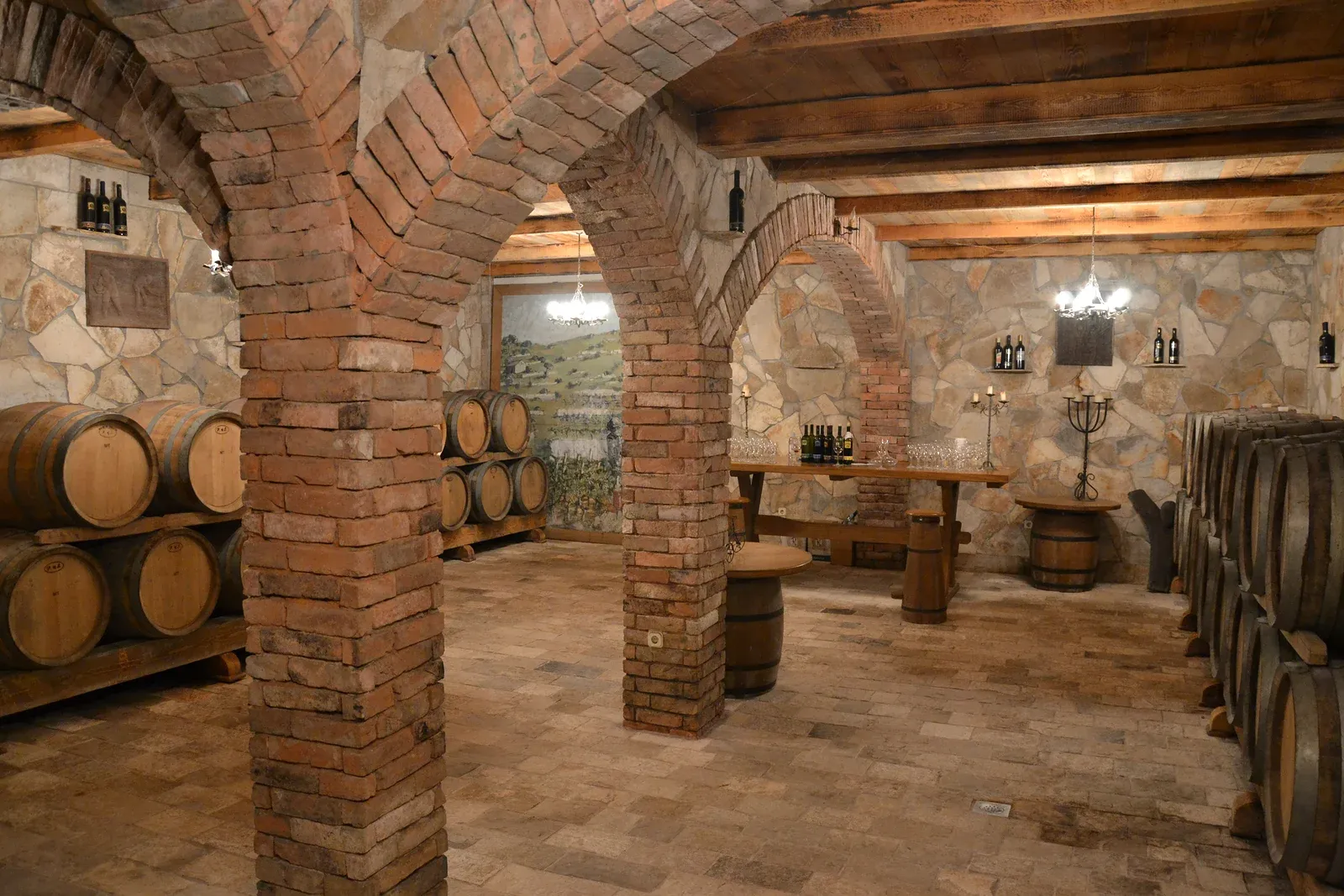
Vineyards inland at up to 500 m above sea level and old family cellars. Kuna is home to a cooperative.
Places: Kuna Pelješka, Prizdrina, Oskorušno, Košarni Do, Gornja Vrućica
A village inland at about 320 m above sea level; one of the cadastral municipalities of the Dingač vineyard area.
Places: Potomje, Pijavičino
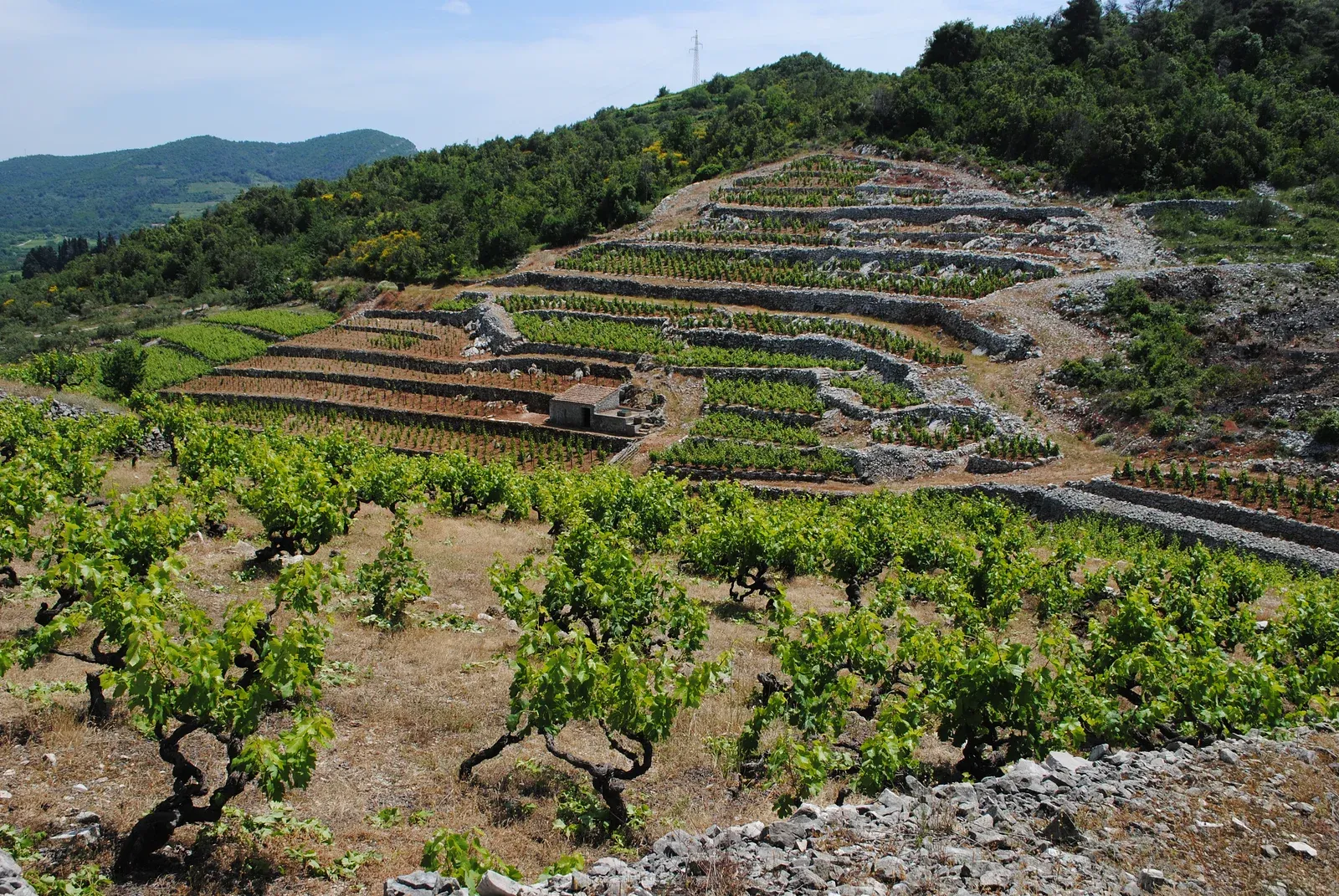
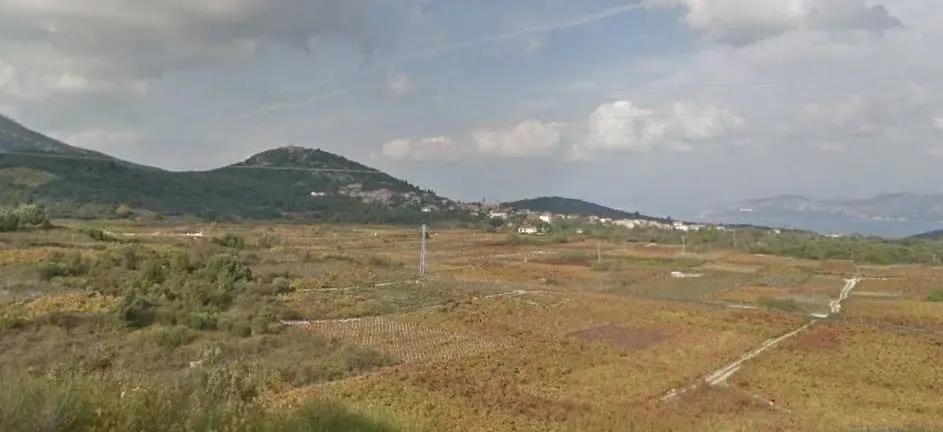
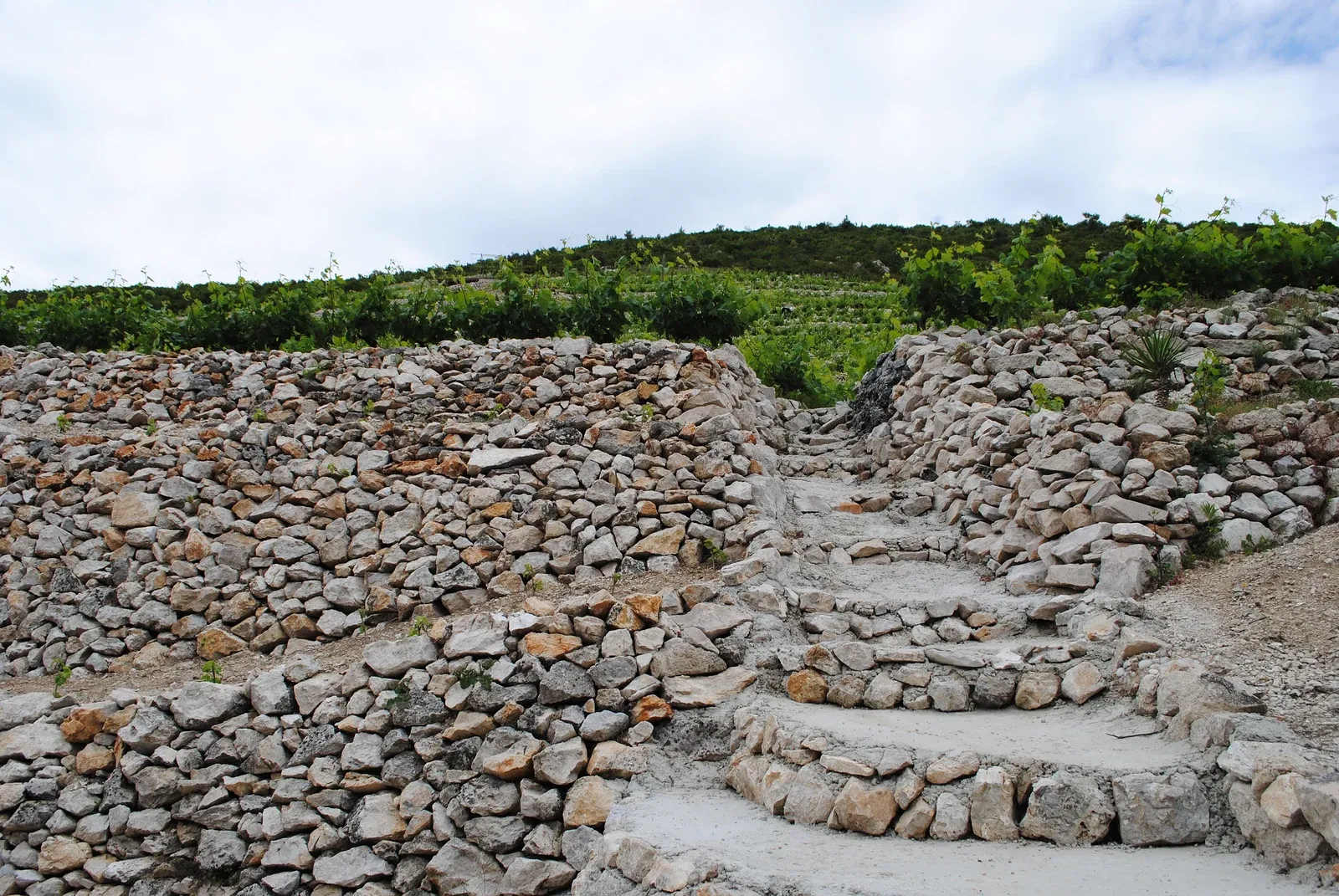
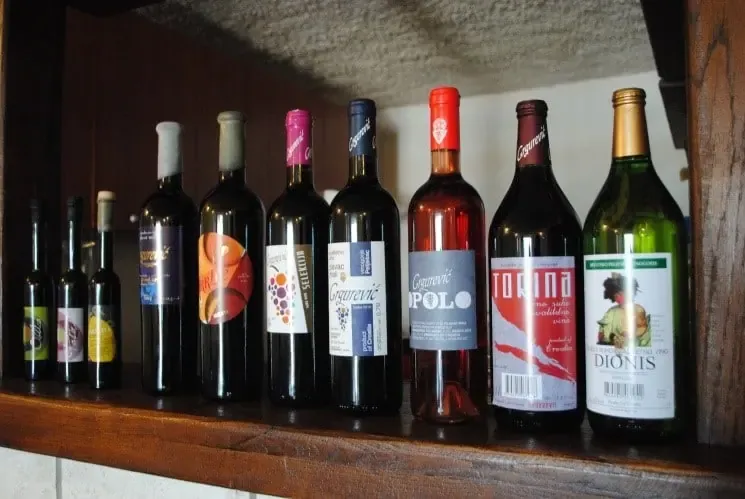
Vineyards facing both the sea and inland. This is also where OPG Grgurević lies, with a stone cottage among the terraces where it was possible to stay overnight and taste wine at sunset.
Places: Putniković, Žuljana, Drače, Janjina, Trstenik
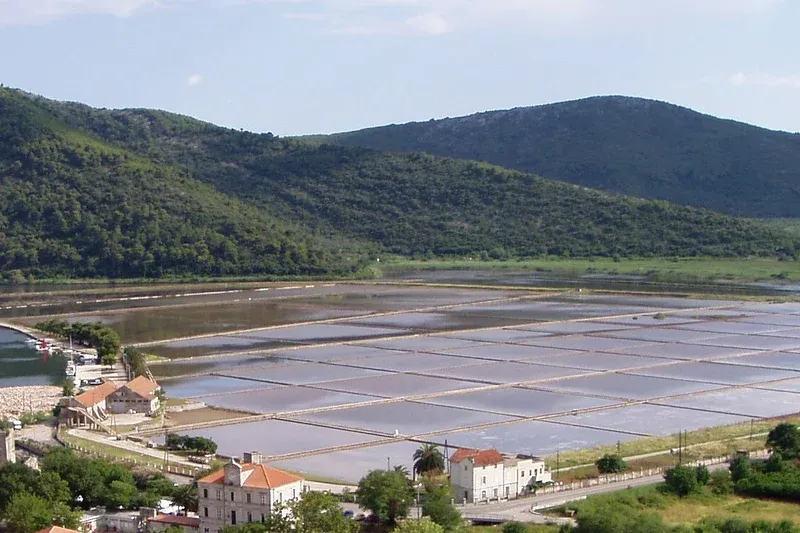
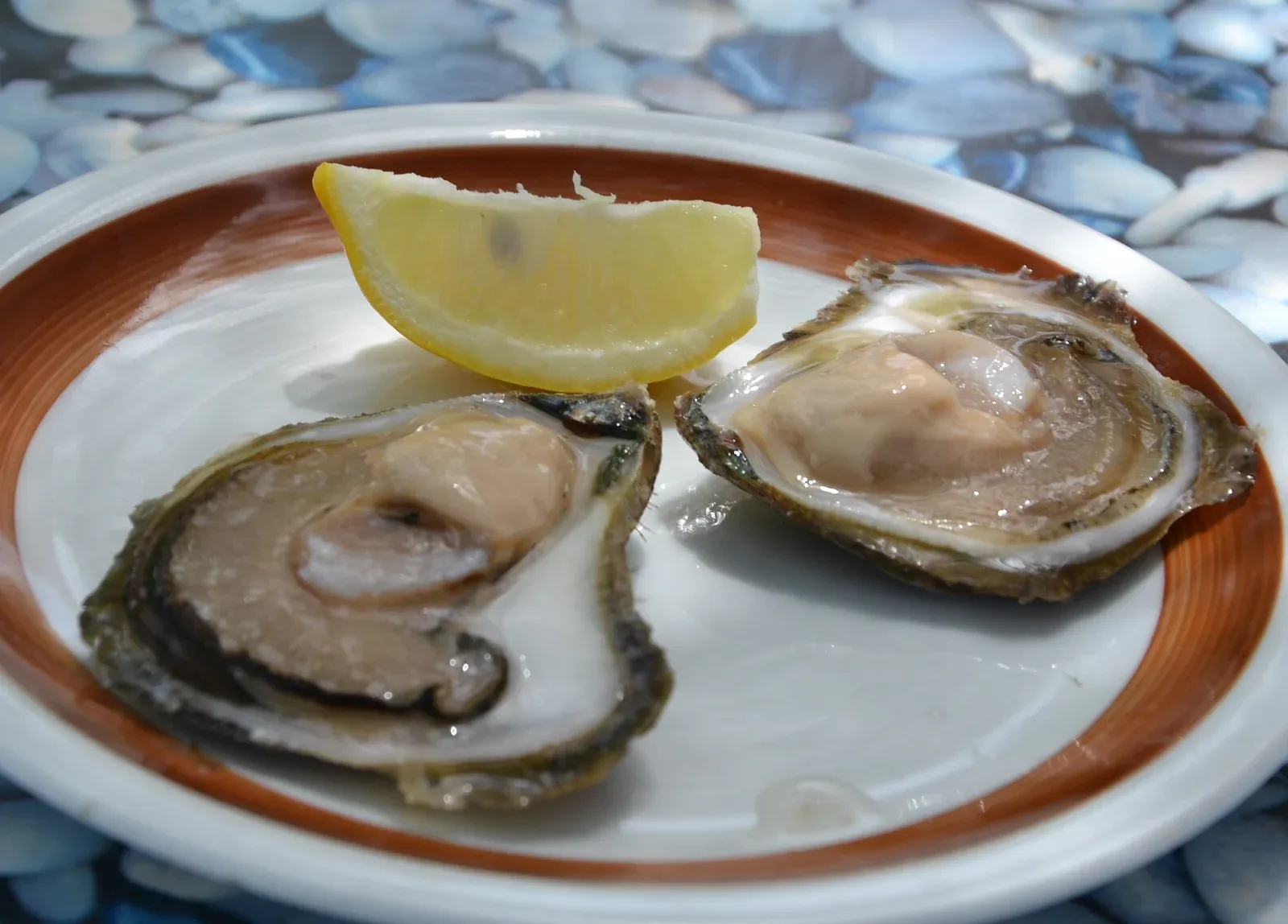
Salt pans, oysters from Mali Ston Bay and wineries at Ponikve.
Places: Ston, Broce, Ponikve
The area stamps are drawings made only for this website and are not in the book. Winery counts follow the contents of the book (1st edition, 2016).
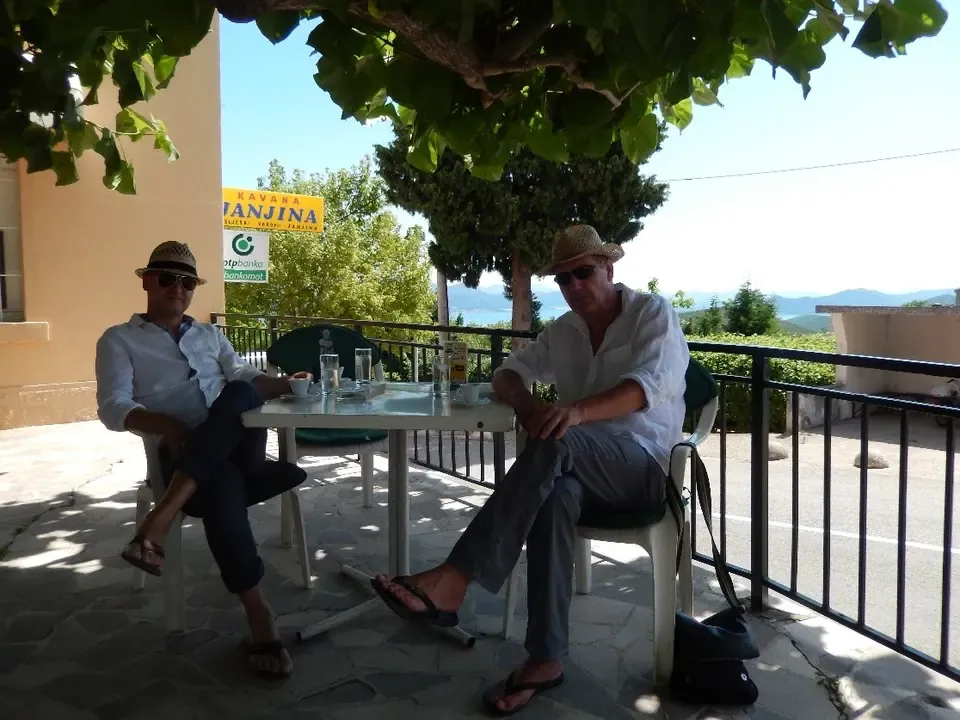
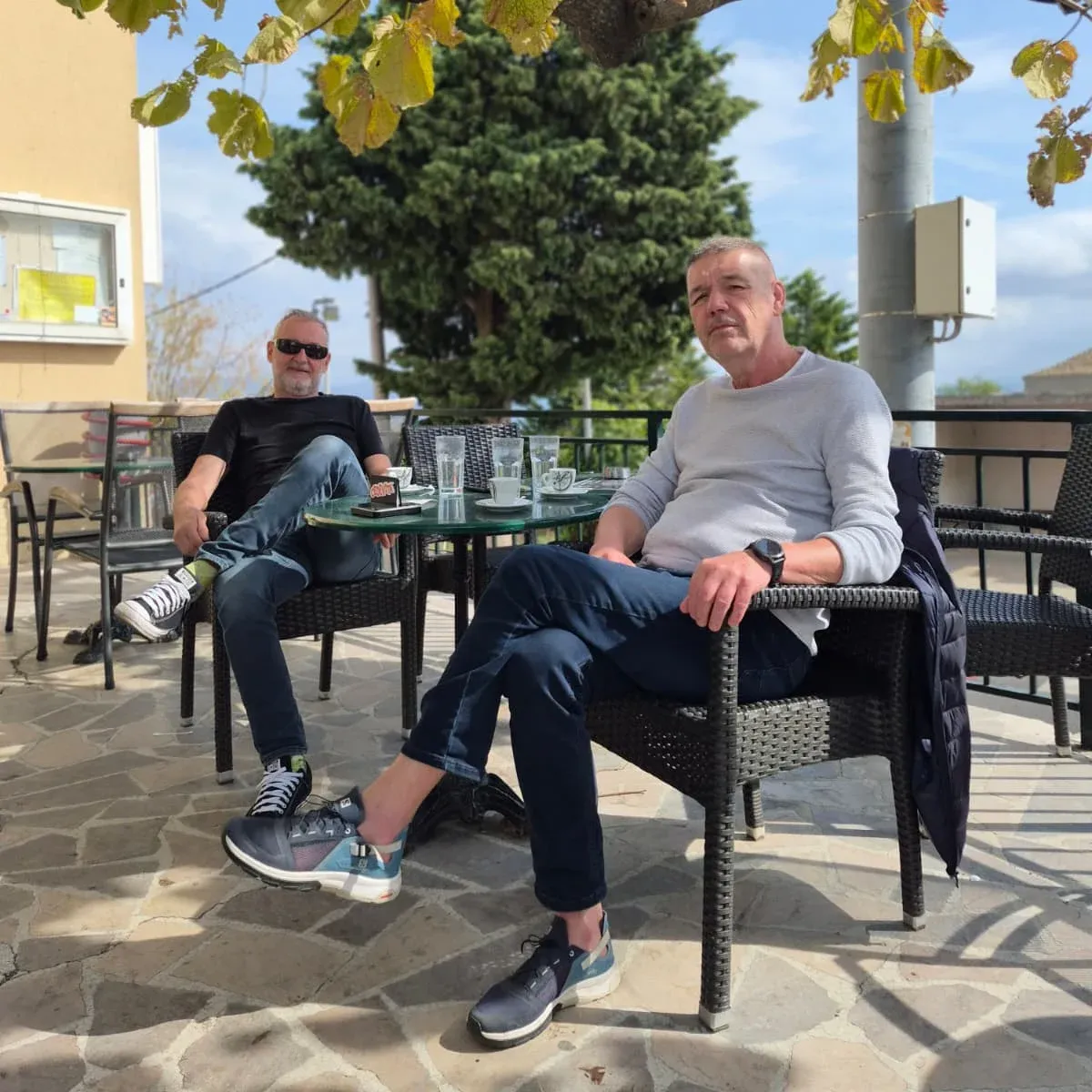
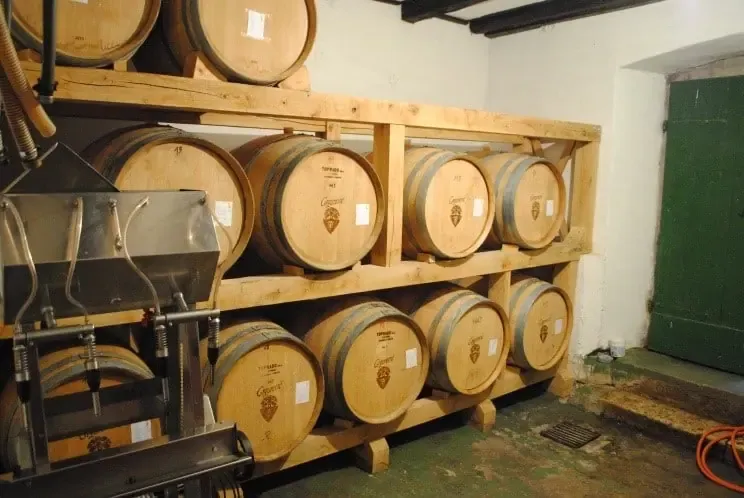
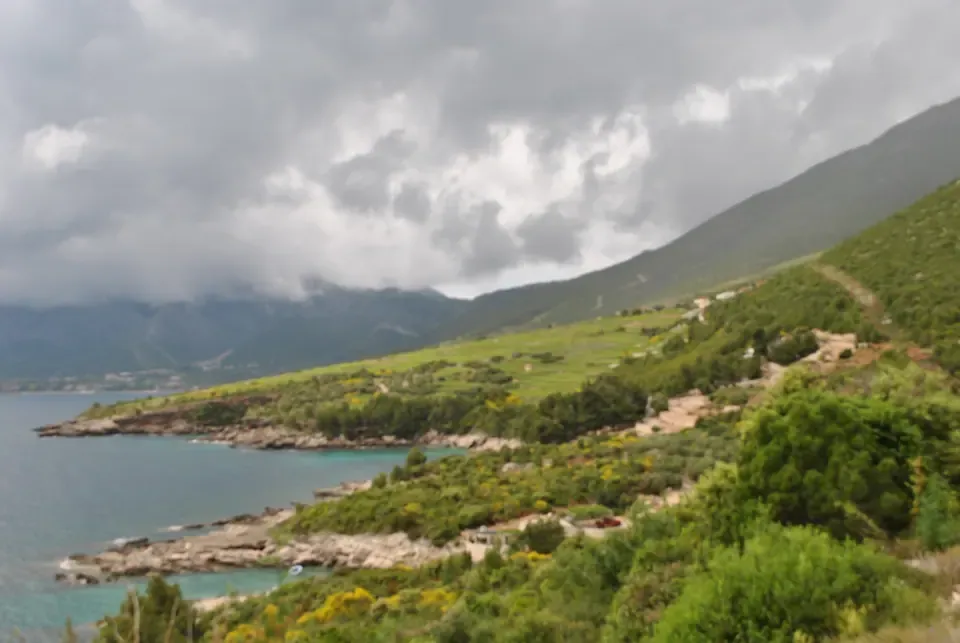
From the road, not the studio
Jan Svoboda and Jaroslav Vrba visited the wineries described in the book and tasted their wines. They took the photographs below on their travels, and some of them are in the book itself. And they keep going back: in October 2026 they sat on the same terrace in Janjina.
“A big thank-you goes to the winemakers for their hospitality and for providing the information that led to the birth of this book.”
Cuisine of southern Dalmatia
The book links ingredients with the places where they come from, and suggests a Pelješac wine for every dish. The recipes are in the book.
Free sample
Six pages from the English edition: the peninsula, the Putniković–Janjina area, the Grgurević winery, Ston salt and a recipe. Read them as text on your phone, or download the PDF.
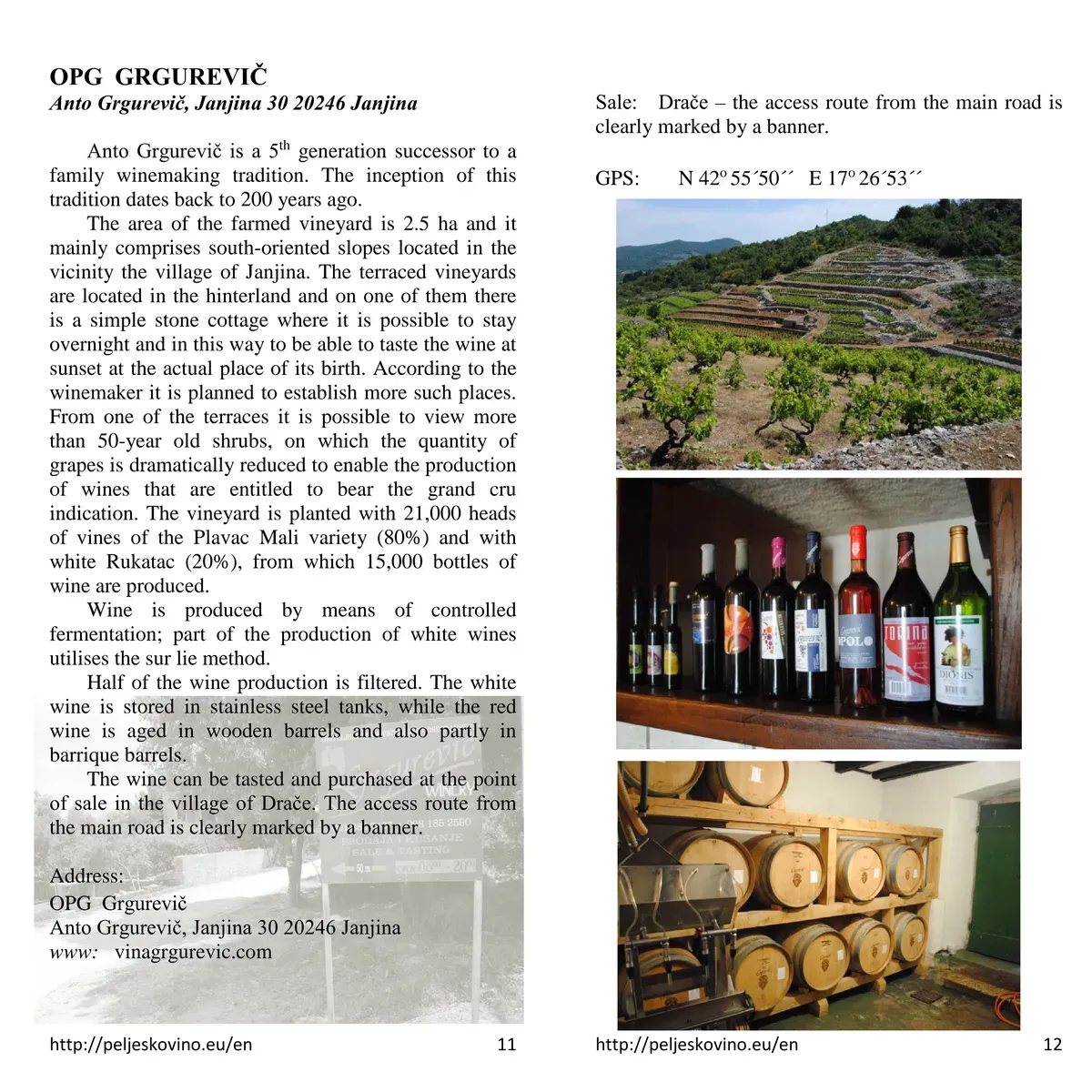 Book pages · 11–12
Your visa to Pelješac
You choose the book language, delivery country and currency independently of the site language.
The book records the visits as they were when it was written (1st edition, 2016). Check opening hours and tastings with the winemakers before you travel.
The real places are shown in the authors’ travel photographs and on the pages of the book. The drawings, such as the area stamps or the fish on the recipe page, are illustrations made only for this website and are not in the book.
The book is published in Czech, English, German and Croatian. All editions are printed paperbacks with the same content and price. You can see the availability of each edition next to the book.
No. You choose the language of the book when you order, independently of the site language. You can read the site in English and order the Czech, German or Croatian edition.
Yes. The Czech, English, German and Croatian versions are also available as e-books. A free PDF sample is available as well.
A native red variety, planted in almost 90% of the vineyards on Pelješac. The name is made of two words: plav means blue and mali means small. It is a close relative of Crljenak kaštelanski (Tribidrag, known in California as Zinfandel): DNA points to a parent-offspring relationship, but the exact pedigree is not settled.
Both are Plavac Mali vineyard sites on Pelješac. Dingač, near Potomje, has steep south-west-facing slopes above the sea; its wine was the first to be protected (1961). Postup begins at the entrance to Orebić.
In Kuna. KUNA 1898 poljoprivredna zadruga has vineyards at up to 500 m above sea level.
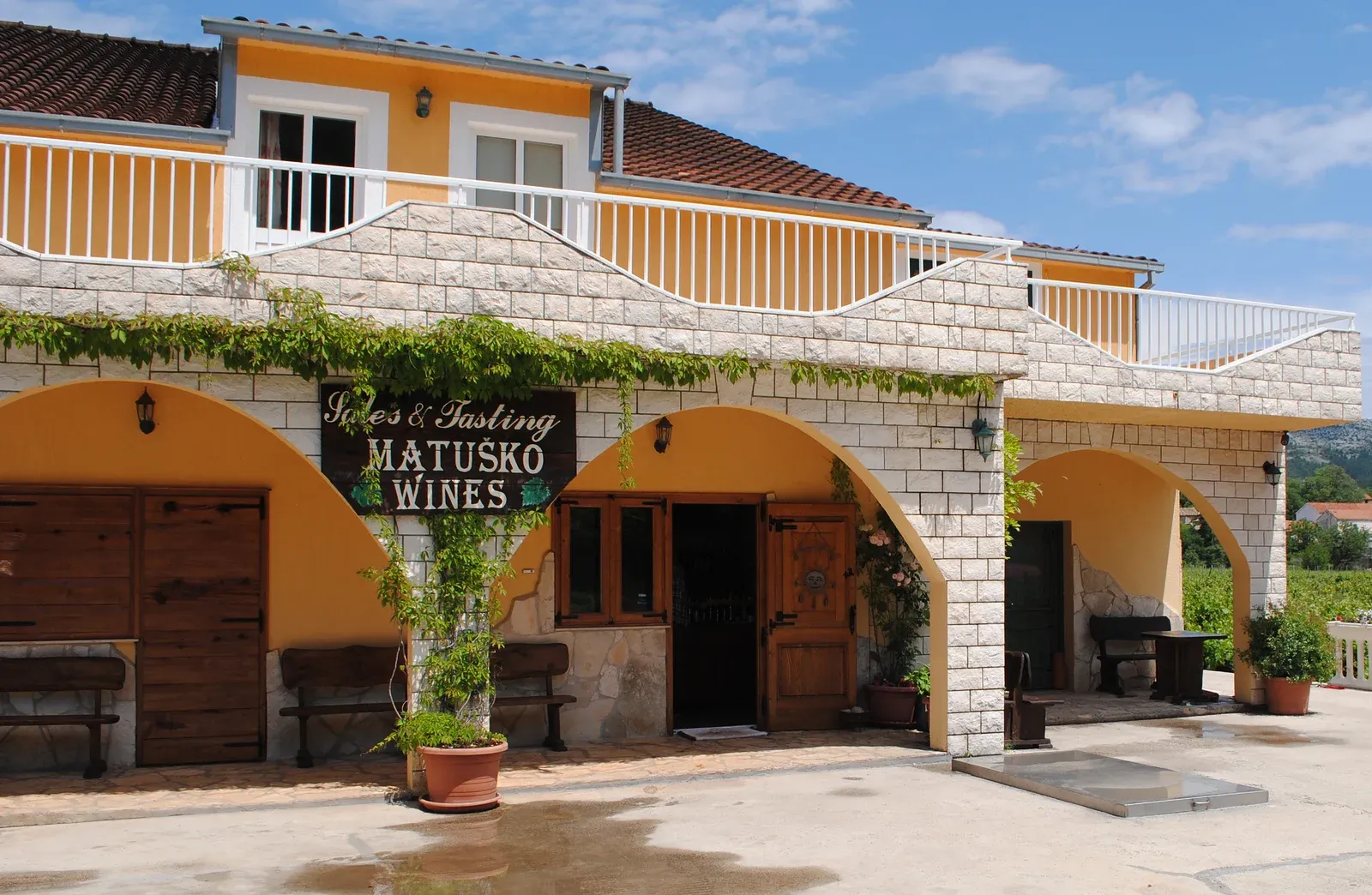
Vinarija Mili near Ston rents out apartments in the family house among the vineyards (according to the winery’s own website, checked on 5 October 2026). For the other wineries in the book, ask the winemakers directly before you travel.