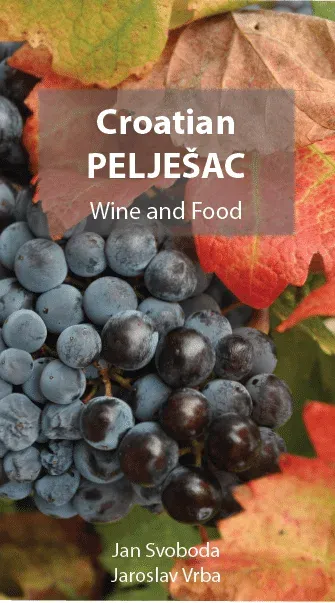
Plavac Mali wine: the red grape of Pelješac and Dalmatia
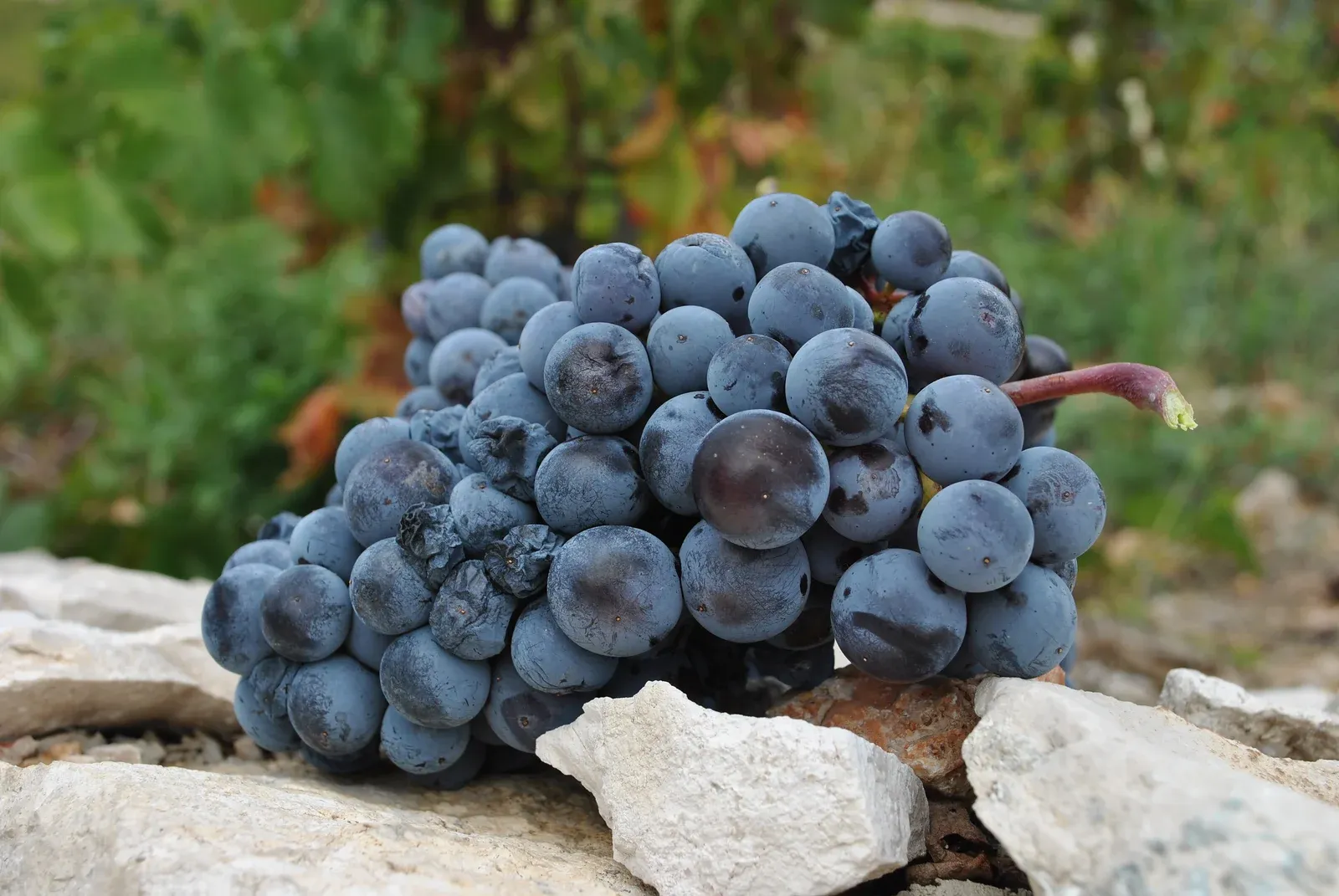
Plavac Mali is a native Croatian red grape from Dalmatia and the main red grape of the Pelješac peninsula. It makes red wines with medium to high alcohol and plenty of tannin. According to the Croatian Chamber of Economy, the best Plavac Mali wines come from the Dingač and Postup sites on Pelješac.
Plavac Mali at a glance
- Type
- Red variety, native to Croatia
- Where it grows
- Dalmatia, including Pelješac, Hvar and Korčula
- Share on Pelješac
- Almost 90% of the vineyards (local tourist boards)
- Close relative
- Tribidrag, known as Zinfandel and Primitivo
- Wine style
- Medium to high alcohol, medium to low acidity, tannic
What is Plavac Mali?
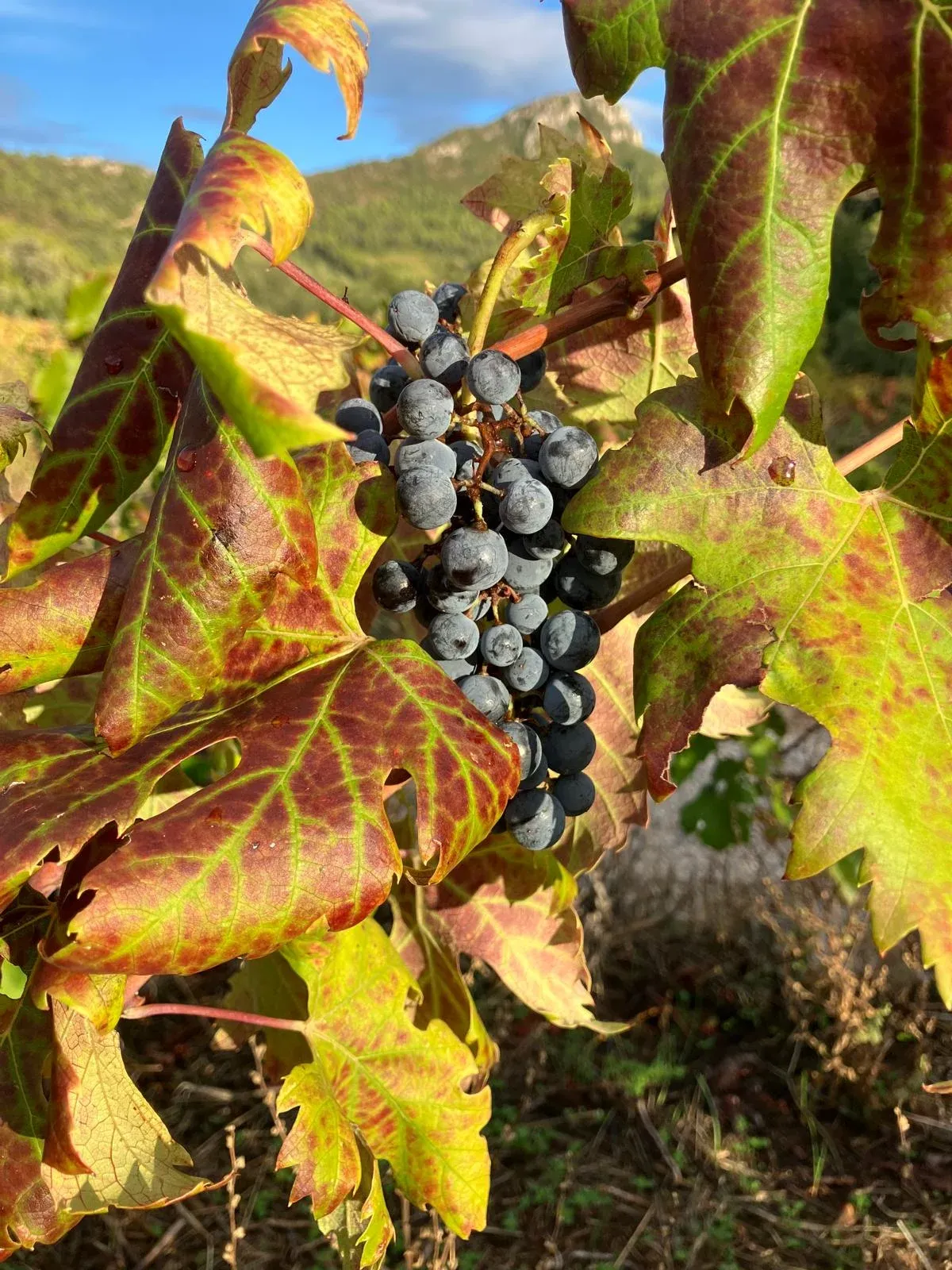
Plavac Mali is a red variety native to Croatia and grown in Dalmatia. The name is made up of two Croatian words: plav means blue and mali means small. The Croatian Ministry of Agriculture’s product specification for Dingač calls it a native variety.
Where Plavac Mali grows
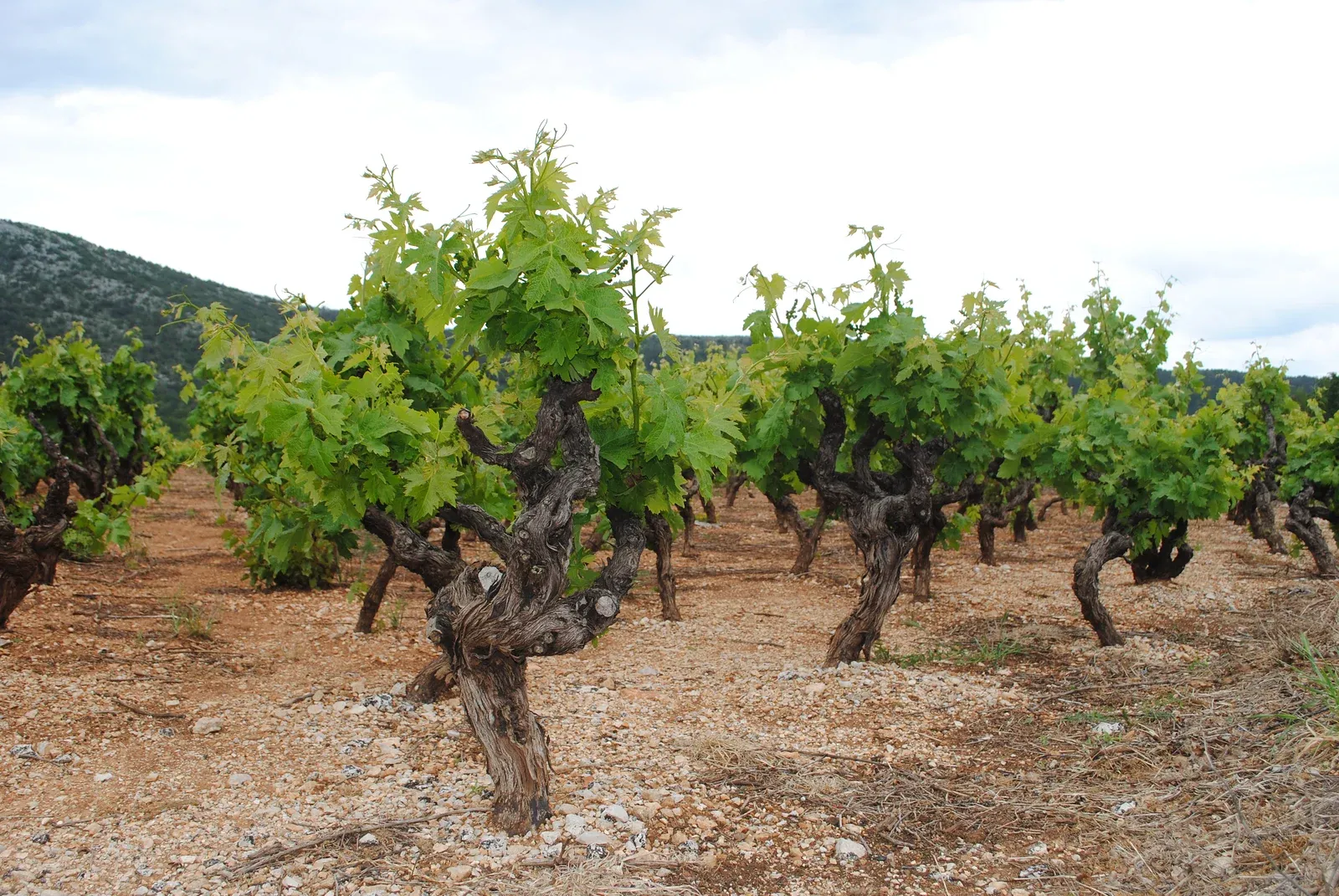
On the Pelješac peninsula Plavac Mali is the main grape. The Orebić and Ston tourist boards say it is planted in almost 90% of the vineyards. It also grows on the Dalmatian islands. On Hvar it predominates in the vineyards between Milna, Sveta Nedjelja and Zavala, and on Korčula it dominates the island’s vineyards.
Plavac Mali and Zinfandel
Zinfandel from California and Primitivo from Italy are the same grape, known in Croatia as Crljenak kaštelanski or Tribidrag. Plavac Mali is a separate variety, but a close relative. A DNA analysis published in 2000 suggested that the two are probably related as parent and offspring. Dobričić, a rare variety from the island of Šolta, was long named as the second parent, in papers from 2003 and 2004 and in the 2014 product specification. A 2024 study ruled out the possibility that Tribidrag and Dobričić are both parents of Plavac Mali and suggests that Dobričić may instead be an offspring of it.
What does Plavac Mali taste like?
The Ministry of Agriculture’s product specification describes Plavac Mali as a variety rich in tannins that gives wines with medium to high alcohol and medium to low acidity. The Dubrovnik-Neretva County tourist board calls the wines of Dingač and Postup dark red, with high tannin and alcohol levels. According to the Jelsa tourist board on Hvar, Plavac wines are usually high in extract and can develop for many years in barrel and bottle.
At OPG Grgurević near Janjina, vines more than 50 years old grow on one of the terraces, and the red wine is aged in wooden barrels, partly in barriques. The winery story
Plavac Mali, Dingač and Postup
Plavac Mali is the grape; Dingač and Postup are named vineyard sites on Pelješac where it grows. Dingač lies on steep slopes along the southern coast of central Pelješac, from Trstenik to the Jelin dol valley. Winegrowers from Potomje asked for the name to be protected, and an order of 19 September 1961 protected it. According to the Croatian Chamber of Economy (HGK), Dingač was the first Croatian wine protected by law. It is a protected designation of origin for wine. The vineyards of Postup begin almost at the entrance to Orebić and, according to the Orebić tourist board, cover more than 60 hectares on both sides of the road. You will find the two sites in the Potomje and Postup–Orebić areas.
Where to taste Plavac Mali on Pelješac
Three examples from the book. The authors’ full tastings and the profiles of all 41 wineries with addresses and GPS coordinates are in the book.
- OPG Grgurević, Putniković–Janjina: according to the book, Plavac Mali makes up 80% of the vineyards.
- Željko Ledinić, Ston–Ponikve: his Plavac Mali Prestige is our shared favourite wine.
- Vinarija Bezek, Putniković–Janjina: a rosé made from Plavac Mali.
According to the winery, the Grgić Vina winery in Trstenik was founded in 1996 by Miljenko Grgić, known in California as Mike Grgich. He was inducted into the Vintners Hall of Fame in 2008.
Plavac Mali with food
With Željko Ledinić’s Plavac Mali Prestige we recommend lamb or veal cooked under the peka; the recipe is in the book. A rosé made from Plavac Mali, for example from Vinarija Bezek, goes with octopus salad. With sea bass baked in a Ston salt crust we suggest a white Pošip.
Frequently asked questions
- How do you pronounce Plavac Mali?
- Both words are stressed on the first syllable: plavac mali.
- What kind of grape is Plavac Mali?
- A red variety native to Croatia. It is a distinct variety and a close relative of Tribidrag, the grape known in California as Zinfandel.
- Is Plavac Mali the same as Zinfandel?
- No. Zinfandel, Primitivo and Tribidrag are one variety. Plavac Mali is a separate variety, probably related to it as parent and offspring.
- Where is Plavac Mali grown?
- In Dalmatia, for example on the Pelješac peninsula and on the islands of Hvar and Korčula. On Pelješac it is planted in almost 90% of the vineyards.
- What are Dingač and Postup?
- Two vineyard sites on Pelješac where Plavac Mali grows, both in the municipality of Orebić. Dingač is also a protected designation of origin for wine.
- Where can I buy Plavac Mali, and what does it cost?
- Ask the winery directly about prices, sales and tastings. Our winery directory lists wineries on Pelješac, with a link to each winery's website where it has one.
- Is the information in the book still current?
- The book records visits from the time it was written (first edition 2016). Check opening times and tastings with the winemakers before you travel.