Is Croatian Wine Any Good? Four Wines from Pelješac We Recommend
We can only answer for one corner of Croatia, but there the answer is yes. The country has four wine regions under its wine-growing rules, so no single bottle speaks for all of them. We know the Pelješac peninsula in southern Dalmatia best: we go there twice a year and taste together. So instead of a ranking, here are four wines from Pelješac that we bought at the winery and recommend.
Croatian wine to try: our four picks from Pelješac
We bought all four bottles directly from the winemaker. They are listed by appellation, not by which is better. Where and how we tasted them is in the book.
| Wine | Appellation and grape | Winery | Why we recommend it |
|---|---|---|---|
| Dingač 2018 | Dingač, protected designation of origin, Plavac Mali | Madirazza | A Dingač from the slopes above the sea that we carried home from the winery. |
| Postup 2019 | Postup, a named site of the Pelješac wine district, Plavac Mali | Dingač Skaramuča | A Postup we bought at the winery and are happy to recommend. |
| Plavac Mali Prestige 2013 | Plavac Mali | Ledinić | Our favourite wine, from our favourite winemaker, Željko Ledinić. |
| Plerej 2009 | Plavac Mali | Vukas | A Plavac Mali from the Vukas family, bought from them directly. |
Croatian red wine: Plavac Mali, Dingač and Postup
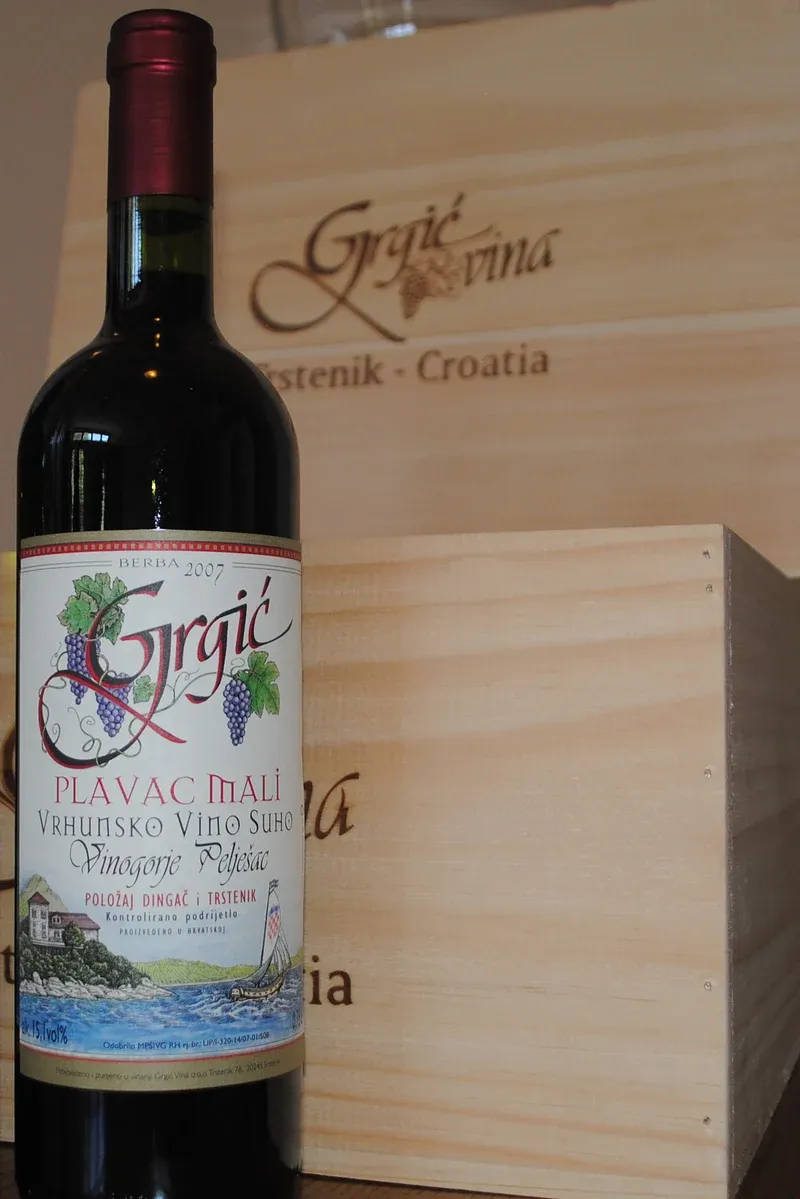
Pelješac is red wine country: according to the Orebić and Ston tourist boards, Plavac Mali grows in almost 90 % of the peninsula's vineyards. The product specification of the Srednja i Južna Dalmacija designation names Plavac Mali as the most widely grown red grape of the area, and adds that it gives outstanding results only on exceptional south- and south-west-facing sites. More on the grape: Plavac Mali.
Two named sites on the peninsula are Dingač and Postup. Dingač is entered in the EU register as a protected designation of origin; Postup is a named site of the Pelješac wine district without an entry of its own. How they differ, and the rules behind the label: Dingač and Postup.
White wine from Pelješac: Rukatac and Pošip
Pelješac makes white wine too. The Ponikve protected designation of origin covers a vineyard site near Ston on the peninsula. Its specification says the area makes mainly red wine from Plavac Mali and a smaller share of white wine from Maraština and Pošip bijeli.
Maraština also goes by Rukatac; Croatia's list of grape varieties gives the name as a synonym. The Ponikve specification describes a bunch that looks like a body with arms (ruke in Croatian), "hence the name". Pošip is a different grape. According to a development plan of the town of Korčula, Čara and Smokvica on the island of Korčula are widely known for Pošip. The Grgić winery in Trstenik on Pelješac says on its website that the grapes for its Pošip grow at Čara, so a Pošip from a Pelješac winery is not always a wine from the peninsula's own vineyards.
The Vukas family says it grows Rukatac, Pošip, Malvasija dubrovačka and, recently, Grk alongside its Plavac Mali. The Ponikve specification describes the area's white wines as greenish yellow to golden yellow, with a fruity nose and a full, balanced taste.
Croatian wine regions, and where Pelješac fits
Croatia's wine-growing rules divide the country into four regions: Slavonia and the Croatian Danube, Croatian Istria and Kvarner, Dalmatia, and the central hill country. Pelješac is in Dalmatia, in the subregion Srednja i Južna Dalmacija, and forms its own wine district, vinogorje Pelješac. According to Croatia's agriculture ministry, the national list contains 258 grape varieties, 134 of them indigenous, and the most widely planted are Graševina, Malvazija istarska and Plavac Mali.
For the wineries by area, see Pelješac wineries. For Pelješac wines that won medals, as the competitions list them in their results, see Pelješac wine awards.
Questions
- Is Croatian wine any good?
- From what we know of Pelješac, yes. We recommend four wines we bought at the winery there: the Dingač 2018 from Madirazza, the Postup 2019 from Dingač Skaramuča, the Plavac Mali Prestige 2013 from Željko Ledinić and the Plerej 2009 from Vukas.
- What is the best wine from Croatia?
- There is no single best. We give our picks from one peninsula rather than a national ranking.
- Is Dingač a red wine?
- Yes. Dingač is the protected designation of origin for red wine from Plavac Mali grown at the Dingač site on Pelješac.
- Is Rukatac the same as Pošip?
- No. Rukatac is another name for the Maraština grape; Pošip is a separate variety.
- Do you sell wine?
- No. The wineries sell their wine; we write about them and published a book about Pelješac.
Pelješac wine in the book
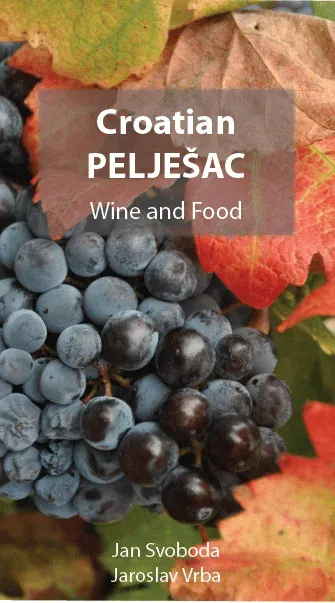
Our tastings and the conversations with the winemakers are in the book.