Dingač wine and Postup: two Plavac Mali vineyards on Pelješac
Dingač is the name of an area of steep slopes on the southern coast of Pelješac in Croatia and of the red wine made there from Plavac Mali. The name is an EU protected designation of origin (PDO) for wine. Postup is a second named vineyard area; on 12 October 2026 it had no EU register entry of its own.
Two names, two different things
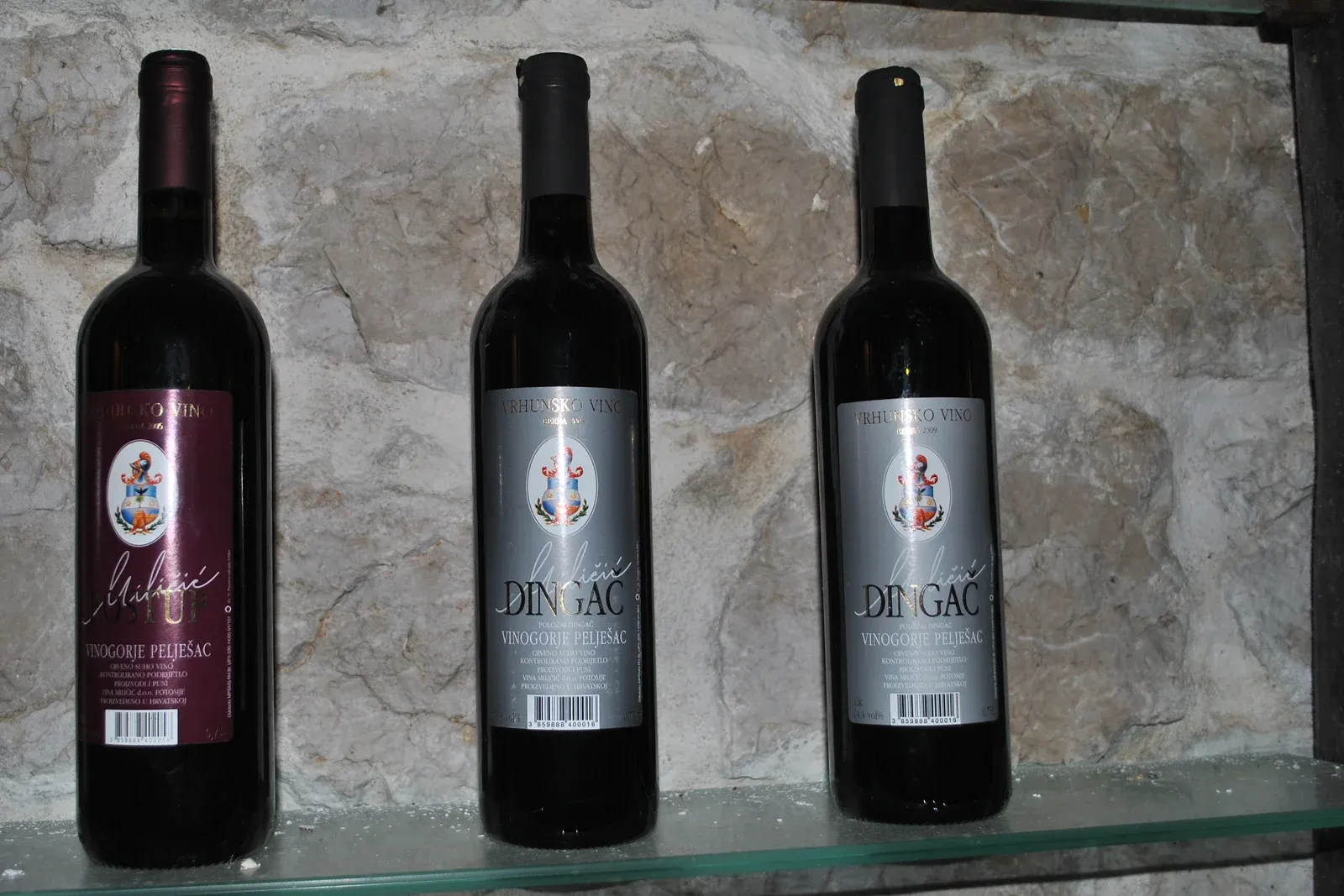
Dingač has been a protected name since 1961: according to the product specification, an order of 19 September 1961 protected it, and international protection of the name and mark has applied since 13 May 1964. According to the Croatian Chamber of Economy (HGK), it was the first Croatian wine protected by law. Dingač has been listed in the EU register eAmbrosia as a protected designation of origin for wine since 1 July 2013, under file number PDO-HR-A1649. Only Plavac Mali may be used.
Postup is a named vineyard area. Annex III of the viticulture regulation (Narodne novine 81/2022) lists it, like Dingač, among the potential historical vineyard sites of the Pelješac wine district. It has no EU protected designation of its own: on 12 October 2026 its name was not in eAmbrosia, and of the two names only Dingač is on the Croatian Ministry of Agriculture’s list of wine PDOs at EU level. According to the Orebić tourist board, Postup received the epithet “čuveno vino” (famous wine) in 1967 and became the second protected wine in Croatia, after Dingač. A vineyard name may appear on the label of a PDO wine only if it is entered in the Vineyard Register.
Where Dingač and Postup are
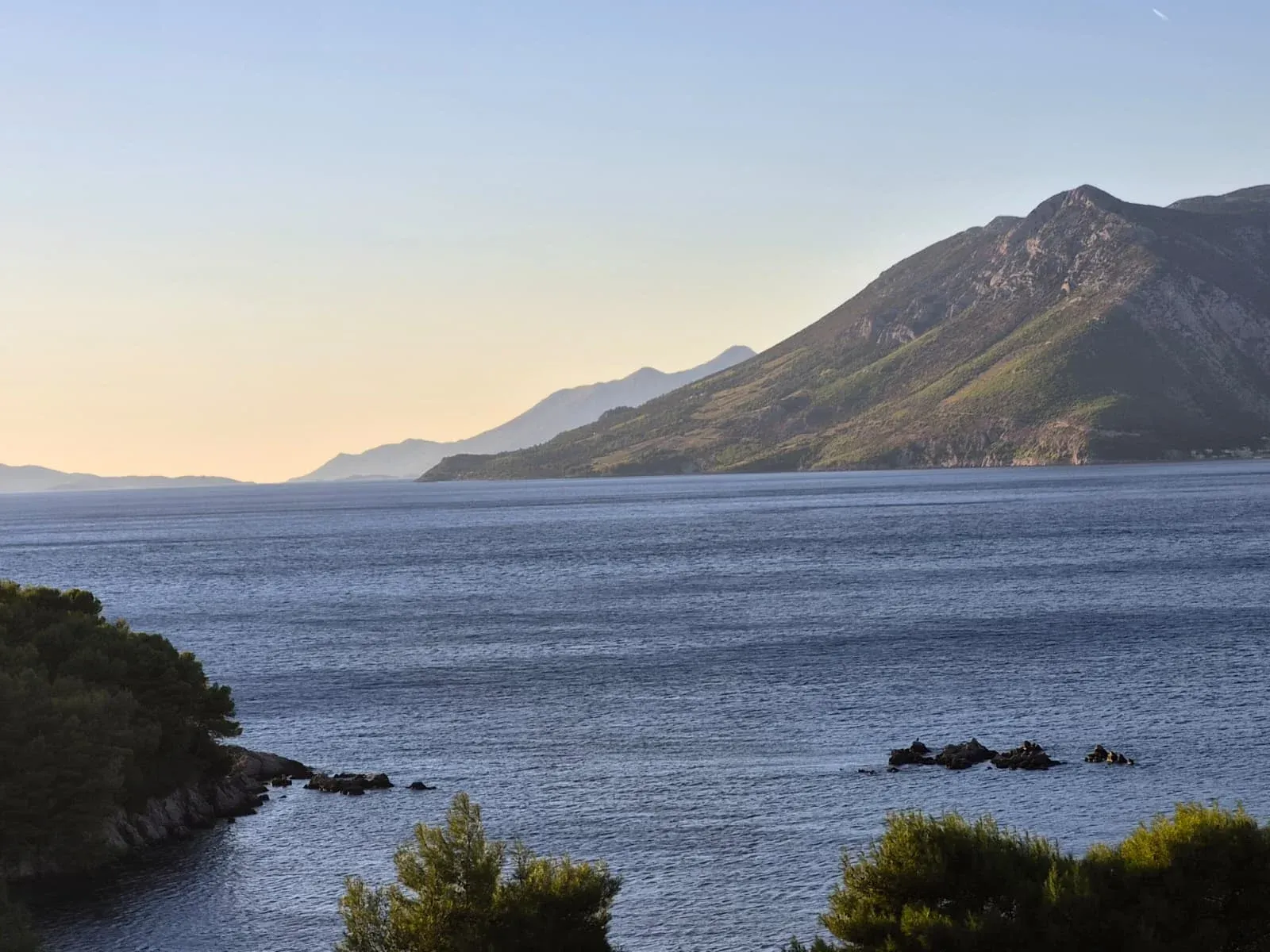
Dingač is a strip of steep slopes on the southern coast of central Pelješac, from Trstenik to the Jelin dol valley. The specification gives a length of 8,070 m, a width of 552 to 1,386 m and a total area of 7.58 km² (758 ha), of which 78.5 ha are planted. The slope faces southwest, at a gradient of 10° to 60°. The village of Potomje lies inland, at 320 m above sea level. According to the Orebić tourist board, the Dingač tunnel, only about 400 m long, cut the journey for growers and winemakers from almost 20 kilometres to four; before it, the only road went via Trstenik.
The Postup vineyards begin almost at the entrance to Orebić and, according to the Orebić tourist board, cover more than 60 hectares on both sides of the road. You will find the two sites in the Potomje and Postup–Orebić areas.
Soil, sun and sea
According to the Dingač specification, the slopes and the ridge above them are Upper Cretaceous limestone with dolomite, and the soil is skeletal, about 75% gravel and small stones. The specification gives a figure of 2,900 hours of sunshine a year and notes the deep sea right beside the vineyards, which warms the air in winter and moderates its temperature in summer. Terrace walls must be built from the original material of the slopes, no soil may be brought in from other areas, and the vines are trained low, as bush vines without wires. Plavac Mali ripens unevenly, so ripe and dried berries hang on the same bunch, and according to the specification the dried ones give the wine a special aroma.
Rules for a wine labelled Dingač
| Rule | Specification |
|---|---|
| Grape variety | Plavac Mali only |
| Maximum yield | 8,000 kg of grapes per hectare, or 4,800 litres of wine |
| Natural alcoholic strength | at least 13.5% vol. |
| Klasiko | at least 12 months of ageing (9 in a wooden barrel, 3 in the bottle) |
| Riserva | at least 24 months (18 in the barrel, 6 in the bottle) |
| Bottling | close to the area, in the municipalities of Orebić and Trpanj |
| Approval | chemical and sensory testing, at least 82 points out of 100 |
What Dingač and Postup wines taste like
The specification describes Dingač as a dark ruby red wine. Mature, barrel-aged wine smells of dried plums and figs. Young wines are intense and tannic, and the tannins soften with age. Dingač is usually dry and usually has more than 30 g/l of extract. The Orebić tourist board describes Postup as deep, dark ruby in colour, warm and dense, with aromas of black fruit and pronounced tannins. According to the county tourist board, both wines are dark red, high in tannin and alcohol.
More about the grape on the Plavac Mali page.
Where to taste Dingač and Postup
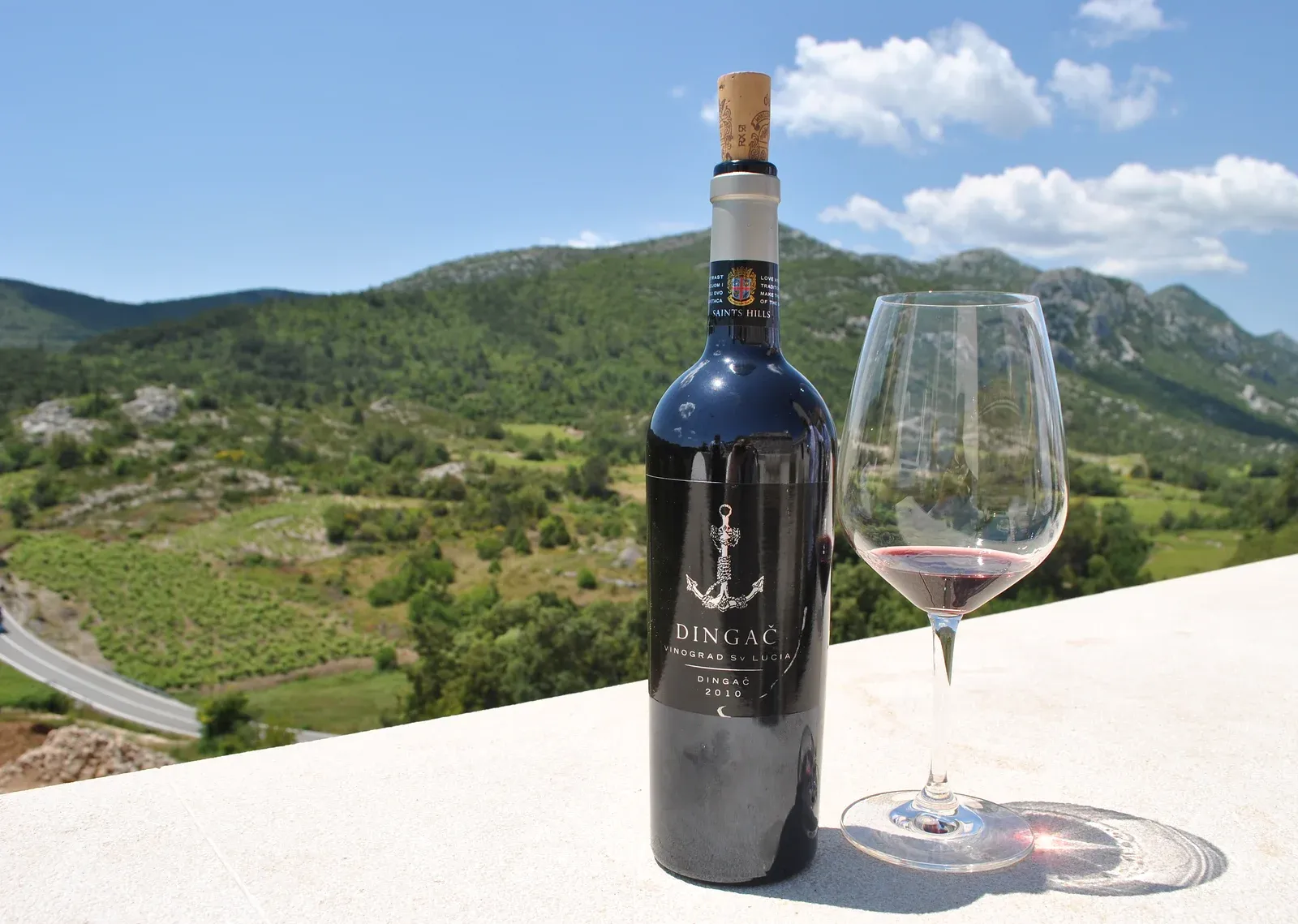
According to their own websites, these producers offer wine from one or both areas. Arrange a visit with them directly before you go.
- Madirazza, Potomje: Dingač and Postup.
- Bura, Potomje: Dingač.
- Matuško, Potomje: Dingač; its website has a form for booking a tasting.
- Skaramuča, Pijavičino: Dingač and Postup.
- Mikulić, Mokalo (according to the Orebić tourist board): a Postup called Don Josip.
Medals for Dingač and Postup wines in the competition results: Pelješac wine awards.
According to the county tourist board, Vinarija Dingač (DINGAČ, poljoprivredna zadruga i vinarija), the largest agricultural cooperative on Pelješac, founded in 1902, is also based in Potomje.
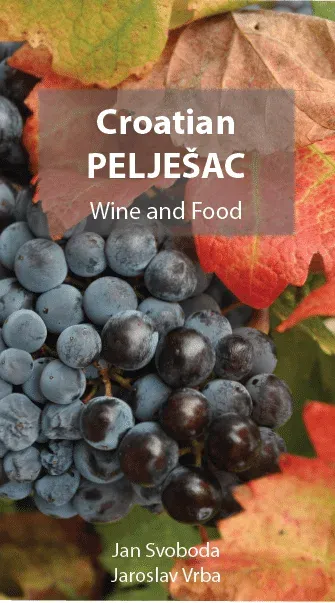
The five wine areas of Pelješac and the profiles of all 41 wineries with their addresses are in the book.
Frequently asked questions
- What kind of wine is Dingač?
- A red wine made only from Plavac Mali on the Dingač slopes of Pelješac, usually dry. Since 1 July 2013 it has been an EU protected designation of origin.
- Is Dingač a grape variety?
- No. Dingač and Postup are places on Pelješac; the grape is Plavac Mali.
- Is Postup a protected designation of origin like Dingač?
- No. Dingač has been in the EU register since 1 July 2013 (PDO-HR-A1649). On 12 October 2026 the name Postup was not in eAmbrosia; it is a named vineyard area in the Pelješac wine district.
- What does Dingač taste like?
- According to the specification it is dark ruby red; mature, barrel-aged wine smells of dried plums and figs, and young wines are intense and tannic.
- How big is Dingač?
- The protected area covers 758 ha, of which 78.5 ha are planted, according to the specification.
- Where can I buy Dingač or Postup, and what does it cost?
- Ask the producers directly about prices, sales and tastings. Our winery directory lists wineries on Pelješac, with a link to each winery's website where it has one.