
Ston and Mali Ston, Croatia: walls, salt and oysters near Dubrovnik
Ston and Mali Ston are two small neighbouring towns at the start of the Pelješac peninsula in southern Croatia, joined by the walls of Ston. According to the Ston tourist board, the Republic of Dubrovnik bought Ston in 1333 and laid out both towns behind a wall across the isthmus, to guard the border and to work the salt pans. The same tourist board names salt and walls as what Ston is known for, along with the oysters of Mali Ston Bay, and puts Ston 54 km (34 miles) from Dubrovnik.
Ston at a glance
- Where
- At the start of the Pelješac peninsula, southern Croatia
- From Dubrovnik
- 54 km (34 miles) (tourist board)
- Ston to Mali Ston
- About 1 km by car, about 40 minutes on foot along the walls (tourist board)
- The walls
- About 5.5 km (3.4 miles) today (tourist board)
- Wine area
- Ston–Ponikve, nine producers in our book
- UNESCO
- Tentative List since 2005 (as of 13 October 2026)
What to see in Ston in half a day
Ston and Mali Ston are about a kilometre apart by car, or roughly 40 minutes on foot along the walls, according to the Ston tourist board. A visit takes in four things:
- The wallsThe walls between the two towns, with the Great Wall over the hill
- The salt pansThe salt pans right beside Ston
- Mali Ston BayMali Ston and its bay, where the oysters and mussels are farmed
- Ston cakeThe Ston cake, a cake made with macaroni and nuts that comes from the town
- The walls and the Great Wall over the hill
- The salt pans beside Ston
- Mali Ston Bay, where the oysters and mussels are farmed
- On foot along the walls, about 40 minutes (tourist board)
- Entrances A and B, see Before you walk the walls
Walking the walls of Ston
The Republic of Dubrovnik built the walls of Ston after it acquired Pelješac in 1333: a wall from one bay to the other across the hill, with a planned town at each end, Ston to the south and Mali Ston to the north.
The Ston tourist board gives the walls a total length of about 5.5 km (3.4 miles) today. In the time of the Republic they were about 7 km (4.3 miles) long, the tourist board and the Society of Friends of Dubrovnik Antiquities say. The Great Wall (Veliki zid), about 1,200 m (0.75 miles) long, runs over the top of Podzvizd hill. The tourist board retells the older Dubrovnik chronicles: the Great Wall was built in 18 months and cost 12,000 ducats.
The Society names three forts. Veliki Kaštio stands on the Ston side; the tourist board dates it to 1357 and says it was built to protect the salt pans. Koruna guards Mali Ston, and its four towers, in the tourist board's words, make it look like a crown. Podzvizd, on the hill above Ston, is a semicircular tower, the tourist board says.
- 1333The Republic of Dubrovnik acquires Pelješac
- 1357Veliki Kaštio, built to protect the salt pans
- 1961The Society begins the reconstruction of the walls
- 2003Large-scale work on the Great Wall begins
- 2009The walls open to visitors on 4 October
Sources: Ston tourist board; Society of Friends of Dubrovnik Antiquities.
The town and its surroundings suffered heavily in the earthquake of 1996 (Croatian Encyclopedia), which Croatian seismologists date to 5 September 1996, with a magnitude of 6.0 (Geofizika).
Before you walk the walls: entrances and tickets
- The walls have two entrances and one exit, according to the Ston tourist board:
- Entrance A, on the west side of Ston.
- Entrance B, in Mali Ston by the Koruna fort, from where you can walk the whole Great Wall.
- Exit C, at the Barabanata tower.
- A ticket is needed. The Society of Friends of Dubrovnik Antiquities sells it.
- The opening hours change with the season; the tourist board publishes them on ston.hr.
The Ston salt works
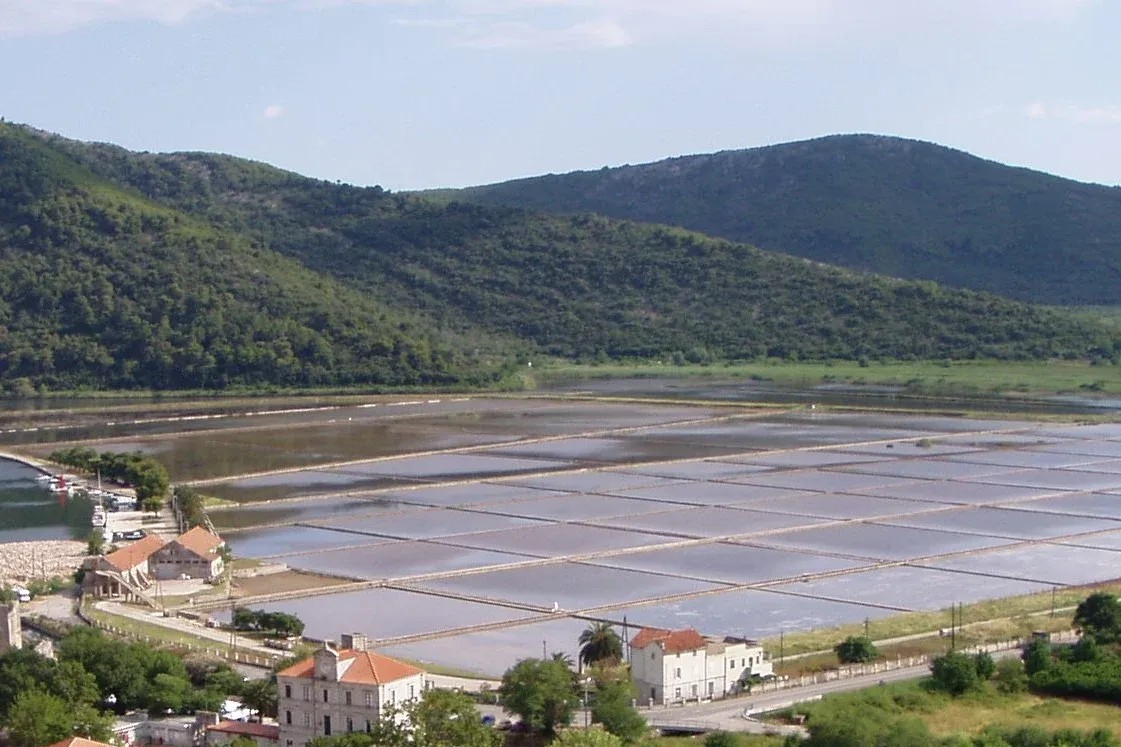
The Ston salt pans lie right beside the town of Ston. According to the Ston tourist board, Solana Ston is one of three salt works in Croatia, and salt is still made there from seawater with the sun, the wind and human labour. Under the Republic of Dubrovnik salt was a state monopoly (Croatian Encyclopedia).
- Seawater
- Sun
- Wind
- Human labour
The tourist board publishes the prices of tours of the salt works and their opening hours on ston.hr. At home, coarse Ston salt goes into our sea bass in a salt crust.
Oysters in Mali Ston Bay
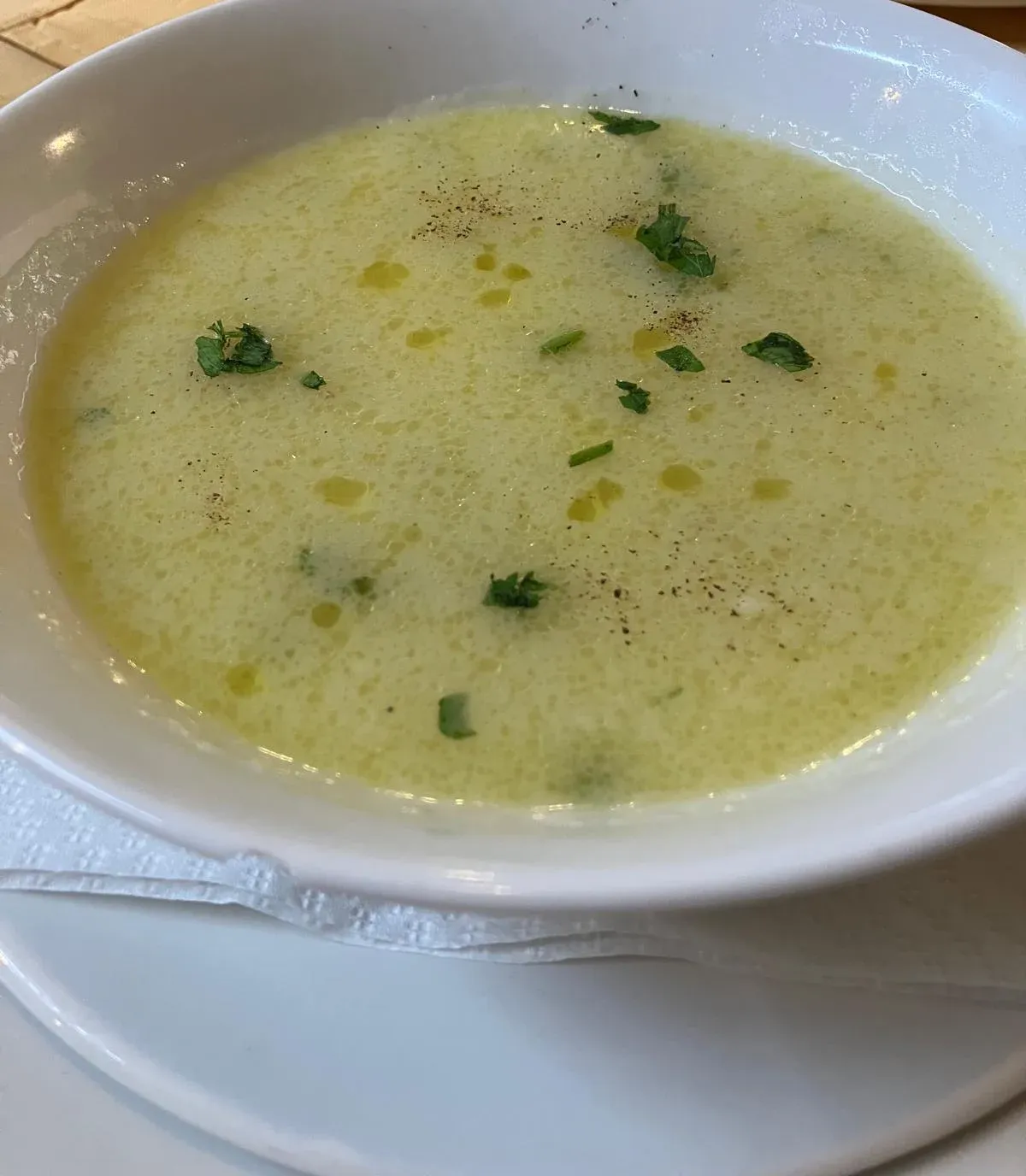
Mali Ston oysters are European flat oysters (Ostrea edulis) farmed in the bay, and since 2020 the name "Malostonska kamenica" has been an EU protected designation of origin. According to the Ston tourist board, only two species are farmed in the bay: the oyster and the Mediterranean mussel.
The tourist board says you can visit the oyster and mussel farms by boat all year round; the oyster farmers say a reservation is required.
Wine around Ston
In our book, Ston and the villages west of it form the Ston–Ponikve wine area, one of the five areas we divide the peninsula into, with nine producers. The book notes that the wind from Prapratno bay cools the vineyards around Ston.
9producers of the Ston–Ponikve area in our book
- Vinarija Škurla, Broce, and Vinarija Miloš, Boljenovići, say on their own websites that they offer wine tastings (checked on 29 October 2026). Both are in our Pelješac winery directory; visiting Pelješac wineries explains how to book.
- Two of the four wines we recommend come from this area: the Plavac Mali Prestige 2013 from Ledinić and the Plerej 2009 from Vukas, both bought at the wineries.
Getting to Ston from Dubrovnik and over the Pelješac Bridge
By bus from Dubrovnik
Without a car, for example on a day trip from Dubrovnik, take the bus: the tourist board says Ston is well connected by bus to a number of Croatian cities and to several in Bosnia and Herzegovina. Libertas Dubrovnik, the Dubrovnik bus company, names the Municipality of Ston among the areas it serves and publishes its suburban timetables on libertasdubrovnik.hr.
By car over the bridge
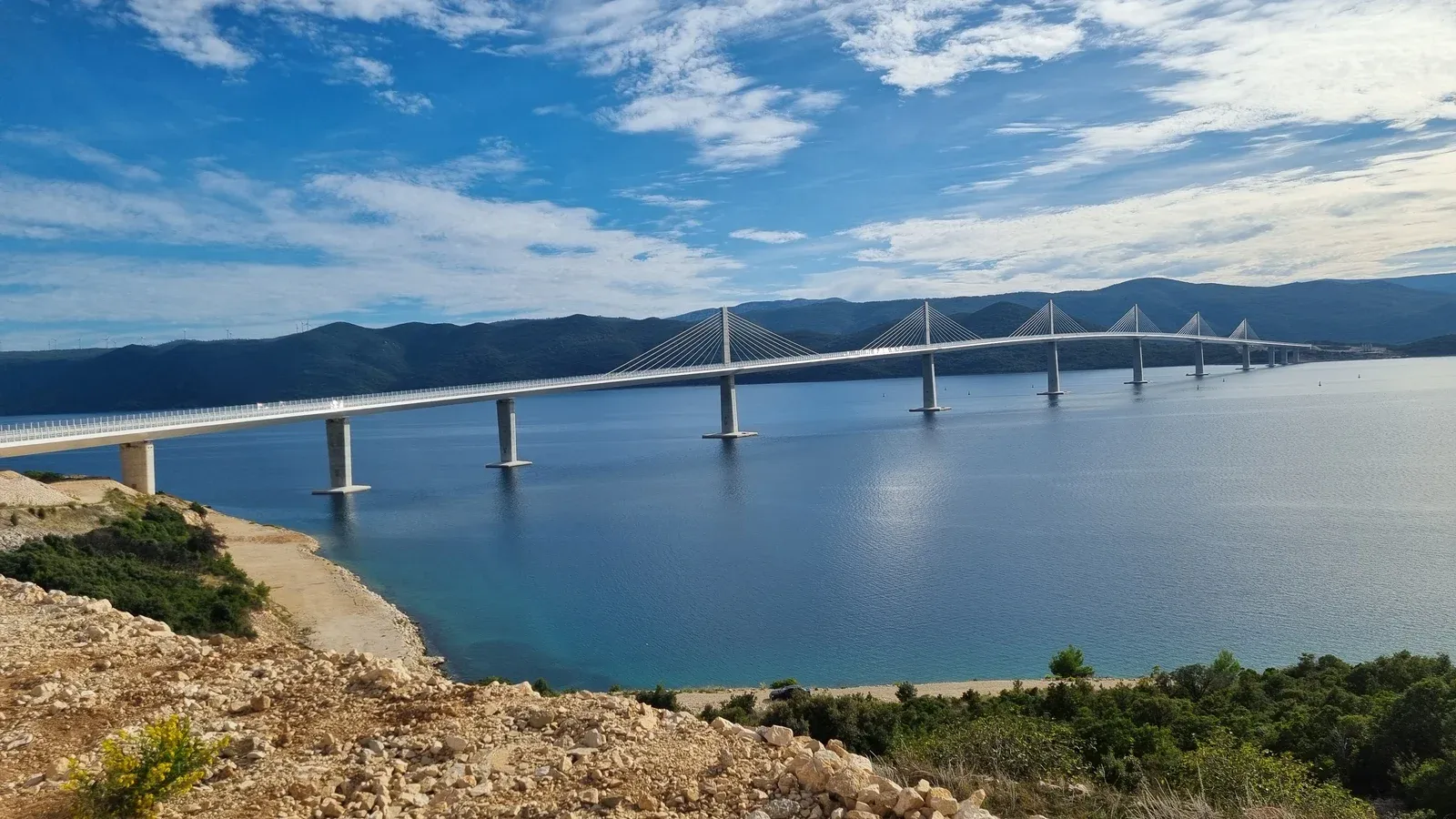
From Split, the route the Ston tourist board describes leads over the Pelješac Bridge, which crosses Mali Ston Bay and opened in July 2022. Since 2023, traffic from the bridge towards Dubrovnik no longer passes through the centre of Ston, according to the transport ministry.
By ferry to Mljet
From Prapratno bay, about three kilometres from Ston according to the tourist board, Jadrolinija sails to Sobra on the island of Mljet; the shipping company gives the crossing as 45 minutes.
When to go: oysters in March, salt in summer, a marathon in September
- MarchThe Mali Ston Oyster Days (Dani Malostonske kamenice) fall around the feast of St Joseph (19 March), when the oysters are at their fullest, the organisers and the tourist board say. In 2026 the festival ran from 19 to 22 March in Ston, Mali Ston and Brijesta.
- SummerThe Ston Salt Festival takes place in summer.
- SeptemberThe Ston Wall Marathon is held in September; the 2026 race was on 20 September.
Frequently asked questions
How far is Ston from Dubrovnik?
54 km (34 miles), according to the Ston tourist board.
How do you get to Ston from Dubrovnik without a car?
By bus. Libertas Dubrovnik serves the Municipality of Ston and publishes its suburban timetables on libertasdubrovnik.hr.
How long does it take to walk the walls from Ston to Mali Ston?
Roughly 40 minutes, according to the Ston tourist board.
Do you need a ticket for the walls of Ston?
Yes. The Society of Friends of Dubrovnik Antiquities sells the tickets, and the Ston tourist board publishes the opening hours.
Can you visit an oyster farm in Mali Ston on your own?
Yes, by boat, all year round according to the Ston tourist board. Book ahead: the oyster farmers say a reservation is required.
Where can you eat in Ston or Mali Ston?
The Ston tourist board lists the restaurants of the area on its website, ston.hr.
Are there wineries near Ston?
Yes. Our book profiles nine producers in the Ston–Ponikve area, and two of them, Vinarija Škurla and Vinarija Miloš, offer tastings.
Is Ston a UNESCO World Heritage Site?
No. Since 2005 the historic ensemble of Ston with Mali Ston, the connecting walls, the Mali Ston Bay reserve, Ston field and the salt pans has been on UNESCO's Tentative List; it is not inscribed (as of 13 October 2026).
Ston in our book
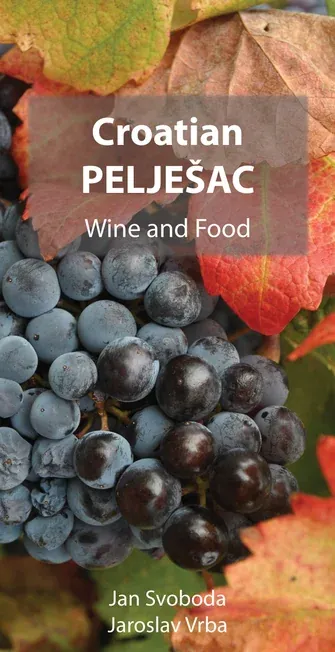
- The nine producers of the Ston–Ponikve area, marked on a map
- Ston salt, with a sea bass baked in a salt crust
- The oysters and mussels of the bay, with a recipe for mussels na buzaru
The book comes in print and as an e-book (EPUB).