Ston oysters from Mali Ston Bay
Ston oysters are European flat oysters (Ostrea edulis) farmed in Mali Ston Bay, between the Croatian mainland and the Pelješac peninsula. In Croatian the oyster is called kamenica, and since 2020 the name "Malostonska kamenica" has been an EU protected designation of origin (PDO). The traditional oyster celebration in Mali Ston falls in March, around the feast of St Joseph.
What are Ston oysters?
A Ston oyster is a European flat oyster, Ostrea edulis, in Croatian europska plosnata kamenica. The species lives in the north-east Atlantic from Norway to Morocco and throughout the Mediterranean, so what sets these oysters apart is the place where they are farmed: Mali Ston Bay, by the small towns of Ston and Mali Ston. According to the Ston tourist board, only two species are farmed in the bay: the oyster and the Mediterranean mussel (Croatian dagnja).
The product specification of the PDO defines the farming area as the waters of Mali Ston Bay: a 28 km continuation of the Neretva Channel between the mainland and Pelješac, 6.1 km wide at its widest point. The name is also used in a narrower sense: the Croatian Encyclopedia describes the bay at Mali Ston as 8 km long and up to 2.8 km wide, so you may encounter other figures elsewhere.
Why oysters thrive in the bay and how a Ston oyster farm works
The specification puts the oyster's character down to the unique natural conditions of Mali Ston Bay and to skills developed there over centuries. The bay is shallow, 15 m deep on average, with a muddy bottom, and fresh water reaches it from springs, from the Neretva river and from rain. According to the oyster farmers, the oysters here spawn twice a year, in spring and in autumn, unlike in other areas.
Farming starts with young oysters settling on collectors, which are put out mainly in spring and autumn. The young oysters then grow on floating structures, in boxes and nets, or cemented onto a plastic rope. Growing from the collector stage to market size takes two to three years, and in that time fouling is removed from the oysters by hand three to five times. Under the specification, a protected oyster must be at least 7 cm long and weigh at least 60 g when it is placed on the market.
The specification traces the tradition back to the Roman Empire and the Republic of Dubrovnik. The Republic leased Bistrina cove from Ban Stjepan Kotromanić in 1333, and the oldest archival record of oysters gathered from natural beds and partly farmed dates from 1573. The specification dates the first recorded production to 1911: 150,000 oysters in Bistrina and 110,000 in Bjejevica cove. By the specification's account, at the end of the 19th century the oysters were sold as far as Zagreb, Sarajevo, Vienna, Prague and Paris, and in 1936 they won a Grand Prix and a gold medal for quality at the world exhibition in London.
PDO status and the protected bay
The European Commission entered the name "Malostonska kamenica" in the register of protected designations of origin by Implementing Regulation (EU) 2020/1469 of 6 October 2020, published in the Official Journal on 13 October 2020. The application came from Udruga Stonski školjkari, the shellfish farmers' association of Ston. Every stage of farming has to take place in the waters of Mali Ston Bay. On 13 October 2026 the name was listed as registered both in the EU register eAmbrosia and in the register of protected names of the Croatian Ministry of Agriculture.
The bay itself has been protected since 1983, today as a special marine reserve, and it is part of the EU Natura 2000 network (HR4000015).
The oysters are not on the UNESCO World Heritage List. The historic ensemble of Ston with Mali Ston, the walls that connect them, the Mali Ston Bay nature reserve, Ston field and the salt pans has been on UNESCO's Tentative List since 2005, and it is not among the ten inscribed Croatian sites (as of 13 October 2026).
Where and when to eat oysters in Ston and Mali Ston
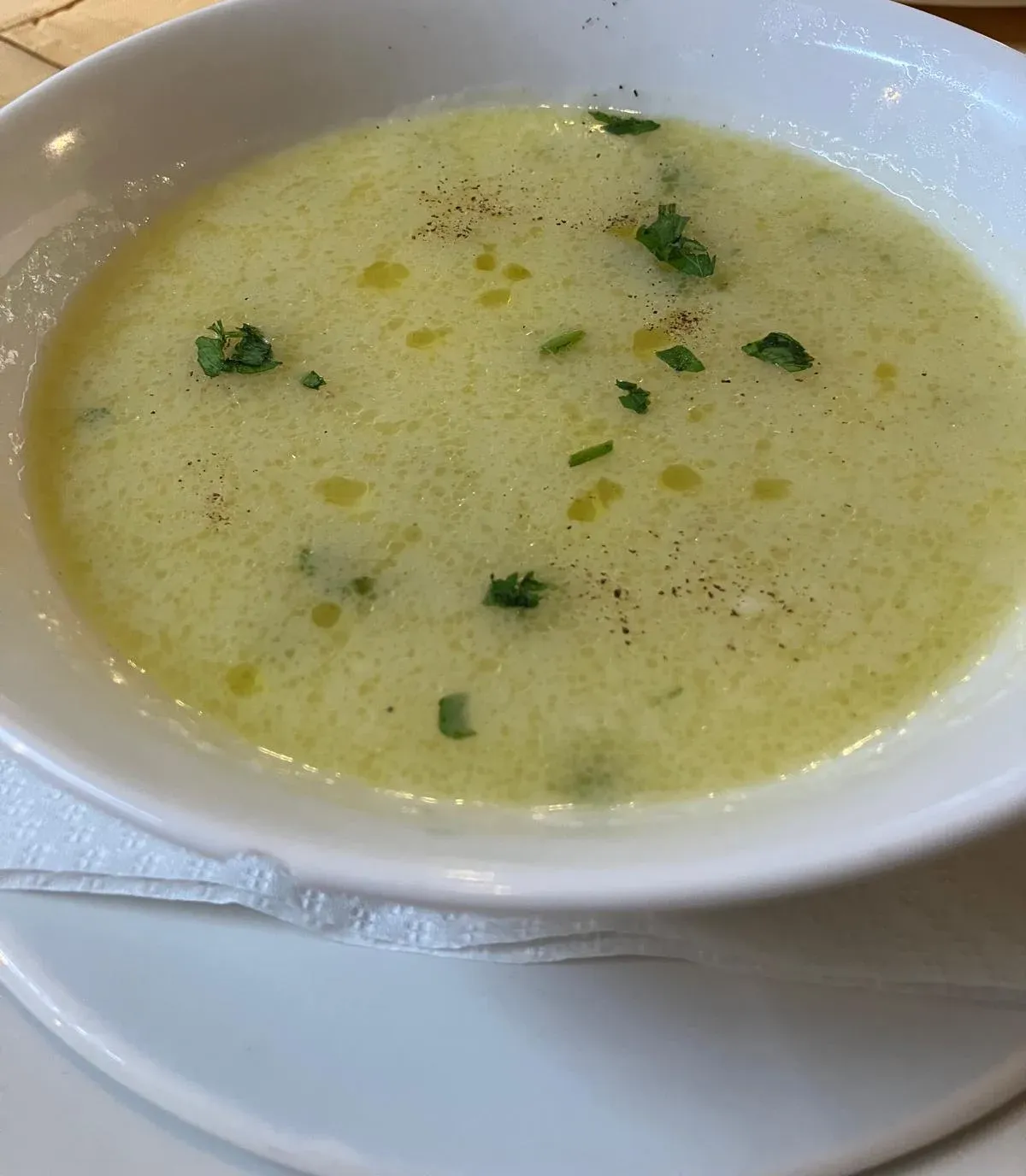
Most people eat them raw with a few drops of lemon. Local restaurants also serve them baked, grilled, in soups, in risotto or with pasta. The oyster farmers suggest a white wine from the local Pošip grape with them, or a well-chilled sparkling wine made by the traditional method. We also pick a white Pošip for the sea bass in a salt crust. The peninsula's main red grape is Plavac Mali.
According to the Ston tourist board, you can visit the oyster and mussel farms by boat all year round. At a tasting the oysters come straight from the sea with lemon, and the farmers say a reservation is required. The association Udruga Stonski školjkari lists its visits and tastings on malistonoyster.com.
The festival organisers and the Ston tourist board both say the oysters are at their fullest and tastiest in March, around the feast of St Joseph (19 March). The specification adds that they are fattest in winter and early spring. The festival, Dani Malostonske kamenice (Mali Ston Oyster Days), is run by Udruga Stonski školjkari; in 2026 it took place from 19 to 22 March in Mali Ston and Brijesta. It continues the St Joseph's Day celebration that a small group of enthusiasts revived in 1993. The Ston tourist board publishes the next date on ston.hr.
Apart from oysters, the Ston tourist board names salt and the town walls as what Ston is known for. Mali Ston is about a kilometre away by car, or roughly 40 minutes on foot along the walls; both places belong to the Ston–Ponikve area.
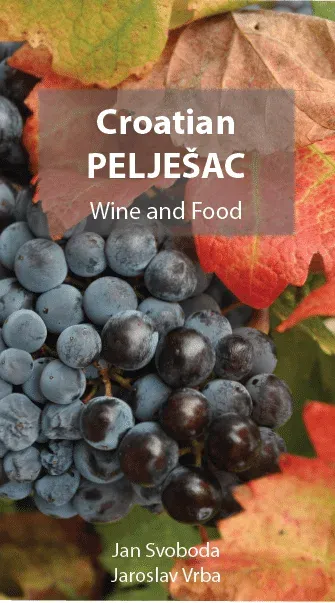
The book's chapter Ingredients and recipes covers Ston salt and oysters, among other things: see the book.
Where we eat oysters: Drače
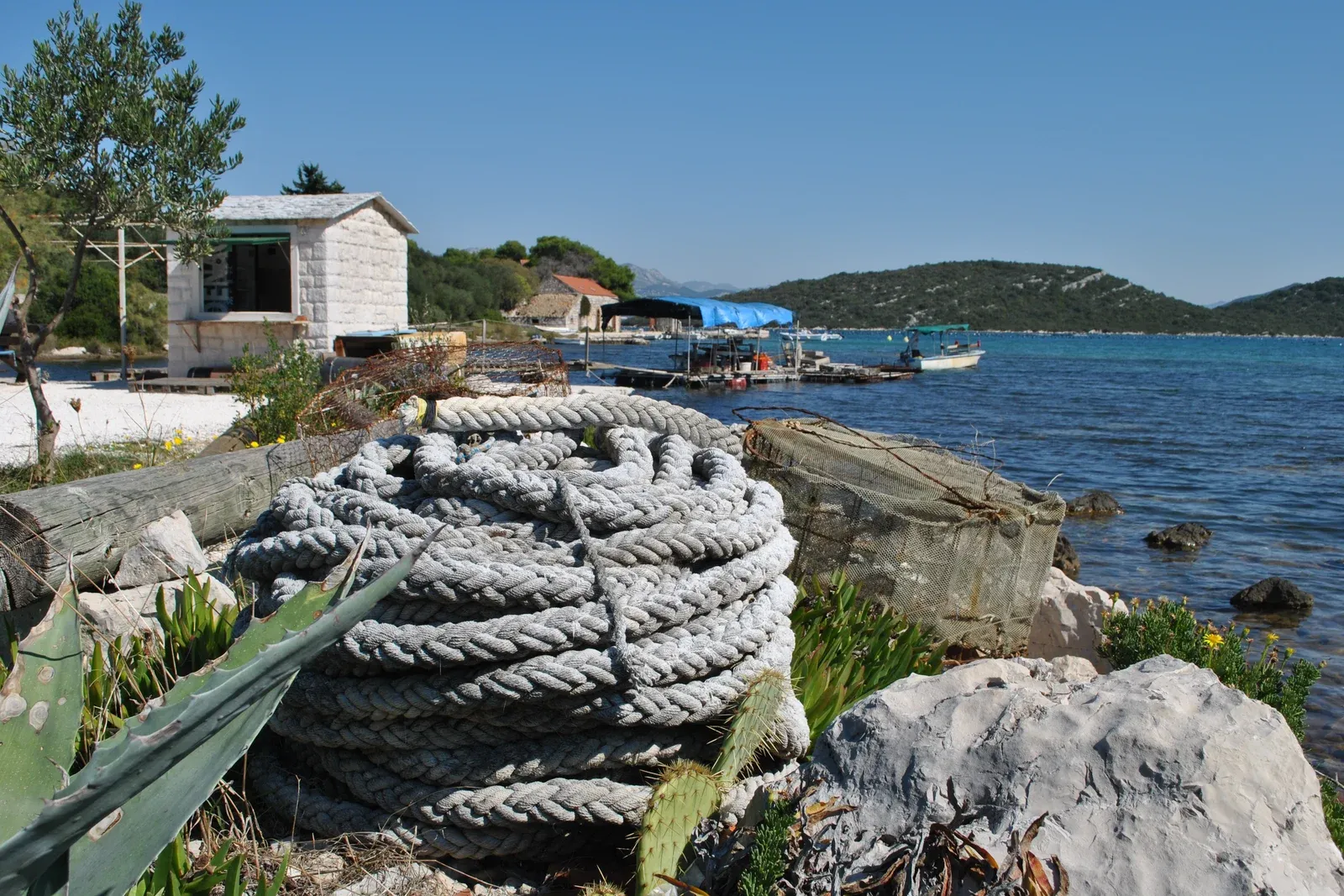
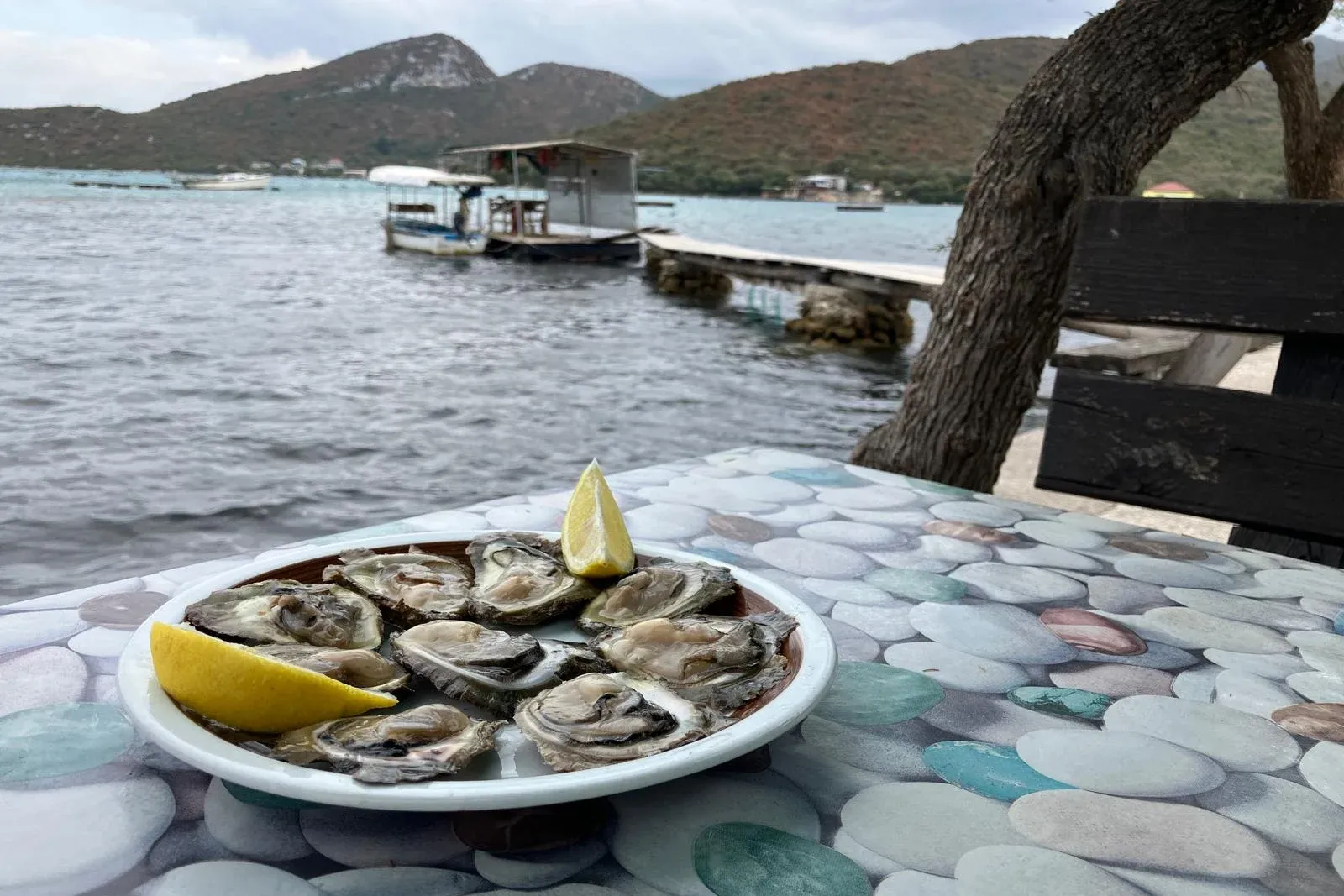
Our favourite place for oysters is the village of Drače on the north coast of Pelješac, in the Putniković–Janjina area, at the seaside mussel and oyster farm Školjka Ledinić. We come back every year; the photos below are from October 2013 and October 2026, when we also had mussels na buzaru.
Drače lies on Mali Ston Bay: the PDO specification measures the bay's greatest width, 6.1 km, on the line between Drače harbour and Soline cove. According to the Croatian official gazette Narodne novine (No. 83/2015), the craft business Školjka, whose holder bears the surname Ledinić, held shellfish farming plots in the Mali Ston Bay and Malo more reserve.
Frequently asked questions
- Are Ston oysters protected?
- Yes. Since 2020 "Malostonska kamenica" has been an EU protected designation of origin for oysters farmed in Mali Ston Bay.
- What is Ston famous for?
- According to the Ston tourist board, Ston is known as a town of salt and walls, and also for its oysters.
- When is the best time to eat Ston oysters?
- The festival organisers and the Ston tourist board say March, around the feast of St Joseph (19 March); the specification says the oysters are fattest in winter and early spring.
- Can you visit an oyster farm in Mali Ston Bay?
- Yes. According to the Ston tourist board, farm visits by boat are possible all year round, and the farmers say a reservation is required.
- Are Ston oysters on the UNESCO list?
- No. Since 2005 the historic ensemble of Ston with Mali Ston and its surroundings has been on UNESCO's Tentative List. Ston is not inscribed on the World Heritage List (as of 13 October 2026).